
Oktoberfest in Munich: Everything You Need to Know Before You Go 2026

Oktoberfest in Munich is the world’s largest folk festival, drawing millions of visitors to the Theresienwiese every fall. But if you’ve never been, it can be surprisingly difficult to picture what the experience is actually like. The beer tents are enormous, hotel rooms disappear months ahead and figuring out reservations, traditional clothing and even the best time of day to arrive takes some planning.
We’ve been to Oktoberfest multiple times, including a trip with Dylan when he turned 10, and our experiences have been completely different each time. Lisa first went as a student living in Paris. Years later, we took Dylan for his birthday, bought him a full lederhosen outfit in Munich and watched complete strangers stop to compliment him. We’ve also returned as adults without kids and experienced the festival from an entirely different perspective.
That range of trips is why this guide goes beyond dates and beer tents. We’ll cover how Oktoberfest actually works, where to stay, what to wear, whether you need reservations, what it’s like with kids and the things we wish we had known before our first visit.
Oktoberfest does not feel like a normal street festival or a giant bar crawl. The scale is enormous, but once you’re sitting at a communal table singing with people you met ten minutes earlier, it somehow feels much more personal. That combination is what keeps us going back.
Disclosure: Some of the links in this guide are affiliate links. If you book a hotel or tour through them, we may earn a small commission at no additional cost to you. We only recommend places and experiences we genuinely believe will help you plan a better trip. Thank you for supporting thegetAwayZ. Read our full Affiliate Disclosure.
We did a full episode on the getAwayZ Podcast covering everything from the first trip to Dylan’s birthday to the things nobody warns you about. You can listen right here before reading on, or come back to it after.
Planning a fall trip to Europe?
Oktoberfest is one of our picks in our guide to the Best Fall Festivals in Europe (2026 Dates).
What Is Oktoberfest?
Oktoberfest is an annual festival held in Munich, Germany, the capital of Bavaria in the country’s south. It takes place on a permanent festival site called the Theresienwiese, known locally as the Wiesn, in the Ludwigsvorstadt district. The site is easily reached by U-Bahn on lines U4 and U5, and during the festival extra services run throughout the day and evening.
Munich itself is worth knowing a little about. It’s a proper city, wealthy and well organized, sitting at the foot of the Bavarian Alps with Austria just over the border. The BMW headquarters are here. The old town is beautiful. And for about 17 days every September and October, the city essentially becomes Oktoberfest’s host in the fullest sense of the word, from the hotels to the restaurants to the bars nowhere near the Wiesn that still feel like extensions of the party.
The festival started in 1810 as a public wedding celebration for Crown Prince Ludwig and Princess Therese. They held a horse race on the fields in front of the city and invited everyone in Munich. It went so well they did it again the following year, and the year after that. The horse races eventually gave way to carnival rides and beer tents. The festival grew into something international. But it still opens the same way every year: the mayor of Munich taps the first keg and shouts “O’zapft is!” which means it’s tapped, and then the drinking begins.
2026 Oktoberfest Dates and Hours
Oktoberfest 2026 runs from Saturday, September 19 through Sunday, October 4, 2026, for a total of 16 days. The festival takes place on the Theresienwiese in Munich.
On opening day, the beer tents open in the morning, but beer is not served until the official keg tapping at noon. That ceremony marks the official start of Oktoberfest.
Main beer tent hours:
- Monday through Friday: 10:00 AM to 11:30 PM
- Saturday and Sunday: 9:00 AM to 11:30 PM
- Last beer and music in the large tents: 10:30 PM
Festival grounds and rides:
- Monday through Thursday: 10:00 AM to 11:30 PM
- Friday: 10:00 AM to midnight
- Saturday: 9:00 AM to midnight
- Sunday: 9:00 AM to 11:30 PM
Two exceptions are Käfer Wiesn-Schänke and Kufflers Weinzelt, which are permitted to remain open until 1:00 AM, with last drinks at 12:30 AM.
If you want the best chance of finding a seat without a reservation, we would choose a weekday and arrive earlier in the day. Saturday afternoons are substantially harder, particularly if you are traveling with a group. you’re going with kids, or if you just want a chance at getting a seat without a reservation, earlier on a weekday is the move. Saturday afternoons are the most crowded and the hardest to navigate without a tent booking already in hand.
What to Expect Inside the Beer Tents
The beer tents are nothing like temporary event tents. The largest are enormous structures holding thousands of people at communal tables, with live bands, full kitchens and servers carrying armfuls of one-liter beer steins through packed aisles. There are 14 large festival tents, along with numerous smaller tents, and each has its own atmosphere, food specialties and crowd. The beer served at Oktoberfest comes from Munich’s six traditional breweries: Augustiner, Hacker-Pschorr, Hofbräu, Löwenbräu, Paulaner and Spaten.
Beer is served in one-liter steins, and the servers who carry them are something to witness. My dad warned me before my first trip to build up my forearms, and I didn’t take it seriously until I watched a woman carry twelve full steins across a packed tent without spilling a drop, not running, not visibly straining, completely unbothered. It is genuinely one of the more impressive things I have seen in a professional setting.
Inside, bands play a mix of traditional Bavarian oompah music and covers, and people sing along, stand on benches, put their arms around strangers and generally let go of whatever they came in carrying. My entire table somehow ended up on stage my first time there. I still don’t know exactly how. That’s the energy in there.
You do not need a reservation simply to enter a beer tent, and plenty of seats remain available for walk-ins. The difficulty is timing. Evenings and weekends fill fastest, while weekday mornings and early afternoons are much easier. If you are traveling with a group and want a particular tent at a particular time, a reservation gives you far more certainty. Otherwise, arrive early and be willing to try more than one tent.
One thing worth saying clearly: you don’t need to drink beer to have a great time here. There is a wine tent. There’s food everywhere and lemonade for the kids and the atmosphere itself is the draw. I’ve been multiple times without touching a beer and left every time wanting to go back.


Where to Stay Near Oktoberfest
This is the part where most first-timers get caught out. Hotels near the Theresienwiese sell out months in advance during Oktoberfest, and prices during the festival are significantly higher than normal Munich rates. If you’re going, book your accommodation the moment your dates are set. Not the week before. Months before.
The neighborhoods closest to the Wiesn are worth knowing before you search:
Ludwigsvorstadt-Isarvorstadt is the closest neighborhood to the festival grounds and the most convenient. You can walk to the Wiesn in minutes and the area is full of restaurants, cafés and bars that extend the party well after the tents close. This is where availability disappears first.
Schwanthalerhöhe sits just west of the main entrance and tends to have slightly better availability and lower prices than Ludwigsvorstadt, with only a short walk to the grounds. Worth checking if the closest neighborhood is already booked out.
Altstadt-Lehel puts you in Munich’s old town, which is a lovely base if you want to explore the city on either side of your festival days. The Wiesn is about 10 to 15 minutes away by U-Bahn, which is very manageable.
Sendlinger Tor is a solid central option that tends to offer more value than the festival-adjacent neighborhoods. Well connected, walkable and easier on the budget when Oktoberfest prices are in effect.
On our trip for Dylan’s birthday, we stayed at a Marriott close to the Wiesn and the hotel bar became part of the experience without us planning it that way. People came back from the tents and just kept going in the lobby, talking to strangers from every country, the waiters joining in. It felt like Cheers with lederhosen. Lisa’s nephew stayed at Hotel Daniel just down the street, loved it and we’ve heard the same from others who stayed there during the festival.
For specific hotel recommendations, including neighborhoods near the Wiesn and options for different budgets, see our Munich hotels guide.
What to Wear: Dirndls and Lederhosen
Traditional Bavarian clothing is not just for locals. At Oktoberfest, wearing a dirndl or lederhosen is genuinely encouraged and genuinely fun, and you’ll feel more out of place in regular clothes than in traditional dress. Traditional Bavarian clothing is common throughout Oktoberfest, and wearing a dirndl or lederhosen is completely normal rather than something reserved for tourists.
A dirndl is a dress with a fitted bodice, full skirt, apron and blouse. The apron bow placement actually communicates something, so pay attention:
- Left = single
- Right = taken
- Center = undecided
- Back = server or widow
Dirndl is pronounced “DEERN-dl,” one quick syllable.
One practical note if you’re in a dirndl and plan to visit the fun house: there is an air vent at the base of the exit stairs, and there are always a few men with a button nearby who know exactly where it is. Wear something underneath or hold your skirt on the way out. Consider yourself warned.
Lederhosen are the leather shorts or pants with suspenders and a bib front. Dylan’s were brown suede leather with a green plaid shirt and we bought the whole outfit in Munich the day before the festival. Buying in Munich is worth it over ordering online. The quality is better and you get to try it on, which matters with leather.
A traditional note: lederhosen are not washed frequently. The stains and wear are considered a record of how many Oktoberfests you’ve attended. We are not endorsing this tradition, just reporting it.


Oide Wiesn: The Quieter, More Traditional Side
Oide Wiesn (pronounced “OY-duh VEE-sen”) means Old Oktoberfest and it’s a separately ticketed section within the festival grounds that recreates the atmosphere of the original event. Brass bands, folk dancing, vintage carnival rides, smaller beer tents and a noticeably more relaxed crowd. The entrance fee is around €4 and it’s genuinely worth it. If the main Wiesn starts to feel overwhelming, this is one of the easiest ways to slow the experience down without actually leaving Oktoberfest.
If you’re going with younger kids, with older family members or if you just want to experience the cultural side of Oktoberfest before the main event overwhelms you, start here. It gives you a real sense of what the festival actually is underneath all the international noise.


Getting to Munich for Oktoberfest
Munich Airport (MUC) is well connected to major European cities and has transatlantic routes from the US. From the airport, the S-Bahn S1 and S8 lines run directly into the city center, taking about 40 minutes. Once you’re in Munich, U-Bahn lines U4 and U5 stop at Theresienwiese and run on expanded schedules during the festival.
Munich is also an excellent train destination if you’re already in Europe. Direct connections run from Vienna, Innsbruck, Salzburg, Zurich, Frankfurt and Paris among others. If you’re based anywhere in central Europe, the train is often easier than flying.
Do You Need Oktoberfest Beer Tent Reservations?
You do not need a reservation to attend Oktoberfest or to enter most beer tents. A portion of the seating is available to visitors without reservations, which means spontaneous visits are absolutely possible.
The catch is that availability changes dramatically depending on the day and time. Weekday mornings and early afternoons give you the best odds. Friday evenings and Saturdays are much harder, especially if you are trying to seat several people together.
If a specific tent matters to you, make a reservation as early as that tent allows. If you are flexible, arrive early, walk through several tents and take the first good table you find.
On our trips, we have done both planned and spontaneous visits. One night we arrived around 10:30 PM and found seats as people were beginning to leave. I would not build an entire trip around that strategy, but it shows that being flexible can work.
Our Best Oktoberfest Tips
- Book your hotel the moment you decide you’re going. Months out, not weeks.
- Tent reservations go just as fast. Some popular tents open bookings in January for the following September.
- Wear comfortable shoes. You will be standing on benches, walking on cobblestones and doing both for longer than you planned.
- Bring cash. Food stalls and smaller vendors still prefer it and some tents do too.
- Go earlier in the day on weekdays if you want to explore without the full crowd.
- Don’t skip Oide Wiesn. Even 30 minutes in there changes how you understand the whole festival.
- The party continues after the Wiesn closes. Hotel bars and the streets around the grounds all absorb the overflow.
Frequently Asked Questions About Oktoberfest Munich
Is Oktoberfest free to attend?
Entering the festival grounds and most beer tents is free. You pay for food and drinks inside. The Oide Wiesn section has a small entrance fee of around €4. Rides and carnival games cost extra.
Can you go to Oktoberfest with kids?
Yes. Oktoberfest is more family-friendly than most people expect. The carnival area is great for kids and families are a normal part of the daytime crowd. Children are generally welcome in the tents during the day though the atmosphere shifts later in the evening. Going earlier on weekdays is the best approach with younger children.
Do you need reservations for the beer tents?
You don’t need a reservation to enter the tents, but without one you’re competing for whatever seats open up. Reservations are held until a certain time in the evening after which unreserved seats become available. If you want a guaranteed spot at a specific tent, book well in advance.
What is the best day to go to Oktoberfest?
Weekday afternoons are the most manageable if you want space to move and a decent chance of getting a seat. Saturdays are the busiest and most chaotic. The opening weekend has a particular energy but also the biggest crowds.
How much does beer cost at Oktoberfest?
Beer prices change each year and vary slightly by tent. Expect a one-liter Maß to cost well into the teens in euros, with food, tips and non-alcoholic drinks adding to the cost of a tent visit. We recommend checking the current year’s official Oktoberfest prices shortly before your trip.
What is the difference between Oktoberfest and Oide Wiesn?
Oktoberfest refers to the full festival on the Theresienwiese. Oide Wiesn is a section within that festival that recreates the atmosphere of the original 19th century event, with traditional music, vintage rides and a quieter, more cultural feel. It requires a separate entrance ticket.
Is Oktoberfest only in Munich?
The original and largest Oktoberfest is in Munich. There are similar festivals in other German cities and internationally, but none come close in scale or atmosphere. When people say Oktoberfest, they mean Munich.
What should I do in Munich besides Oktoberfest?
Munich’s old town, the Marienplatz and the Frauenkirche cathedral are all within easy reach. The Englischer Garten is one of the largest urban parks in the world. The Deutsches Museum and the BMW Museum are both worth a visit. If you have extra days, the Bavarian Alps and Neuschwanstein Castle are a short drive or train ride away.
Is Oktoberfest in Munich Worth Visiting?
IFor us, yes. Oktoberfest is one of those European events where the scale sounds exhausting on paper but the actual experience is much warmer than we expected.
We’ve gone at completely different stages of life, including as younger travelers and later with a 10-year-old, and every trip has felt different. What has stayed the same is the communal part of it: sharing tables, singing with strangers, dressing up, eating enormous pretzels and watching an entire city embrace the same tradition for two weeks.
You do not have to drink beer to enjoy it. You do not have to stay until midnight. And you do not need to understand every Bavarian tradition before you arrive.
Go once. Wear the traditional clothes if you want to. Spend time in both the main Wiesn and Oide Wiesn. And give yourself enough time in Munich that Oktoberfest does not have to be your entire trip.
The full episode of the getAwayZ Podcast goes deeper on all of it, including what it’s like to go in your 20s versus going as a parent, the ride that went very wrong and the moment we discovered a possible connection between my last name and a German accordion dynasty. (There is not one.)
👉 Listen to the Oktoberfest episode on The Getawayz Podcast
And if you’ve got your own Oktoberfest story, leave it in the comments. We’d love to hear it.
Oktoberfest Must-Haves
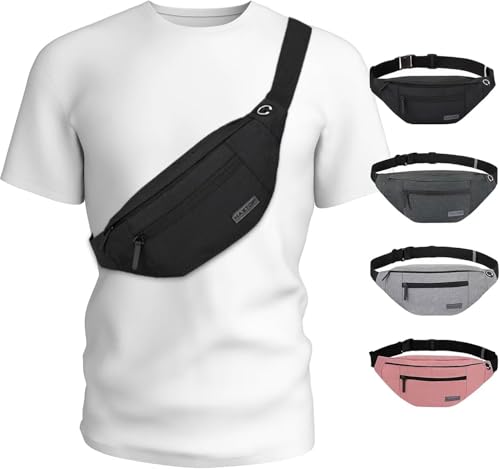
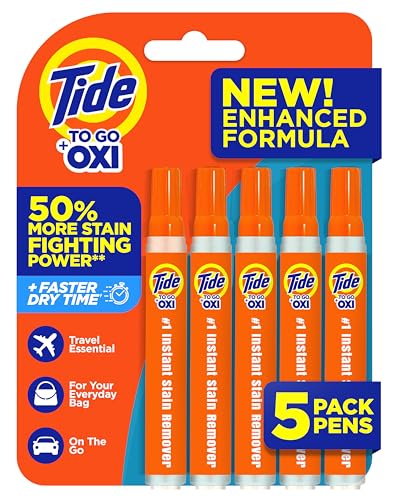
Heading to Oktoberfest in Munich or throwing your own fest at home? These are the practical extras worth bringing for the festival, from traditional clothing to a few things that make long days on the Wiesn easier. We’ve included only items that fit the way we actually attend Oktoberfest, not a generic list of party supplies.


Disclosure: Some links in this guide are affiliate links. If you purchase through them, we may earn a small commission at no additional cost to you. As an Amazon Associate, we earn from qualifying purchases. We only recommend products we use ourselves or believe will be useful for your trip. Read our full Affiliate Disclosure.
Want to explore Germany? Explore all our Germany blog posts for city guides, castles and cultural tips.
