
Florence Travel Guide: Why We Keep Coming Back
We lived in Florence for a year. We arrived in 2017 in the middle of a heat wave – 42 degrees Celsius, which is about 114 Fahrenheit. There was a broken down rental van, drama getting to our apartment and we were sweaty and exhausted before we even unpacked.
We loved it immediately.
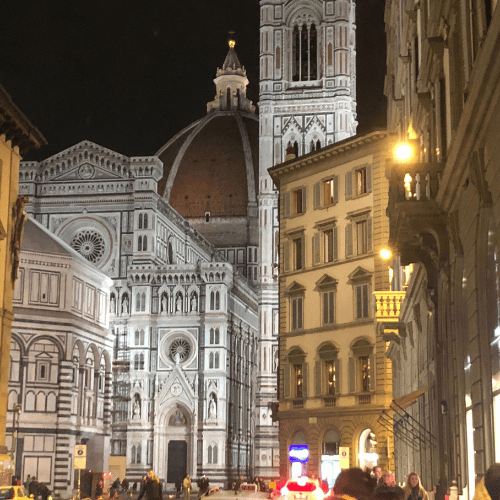
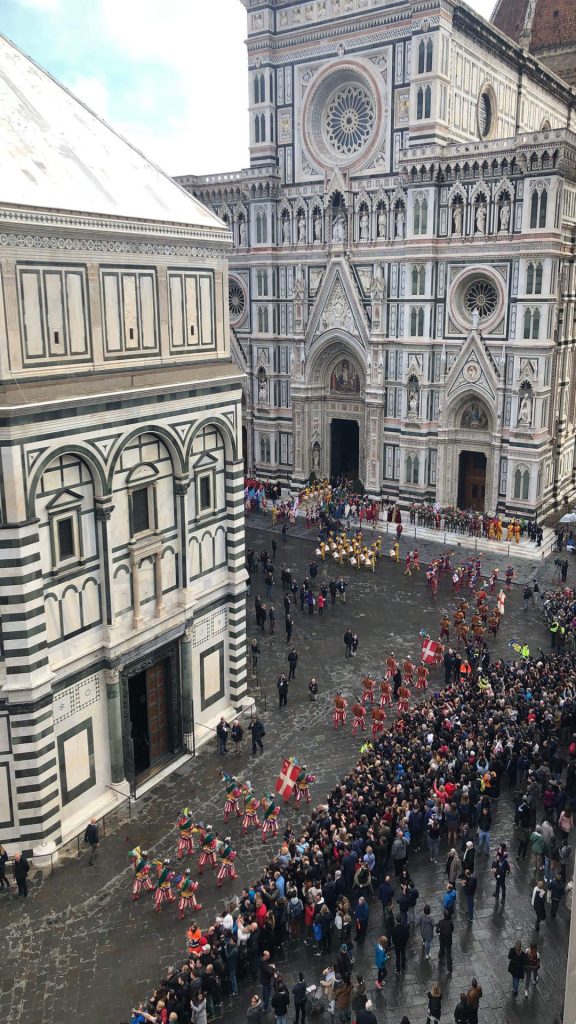
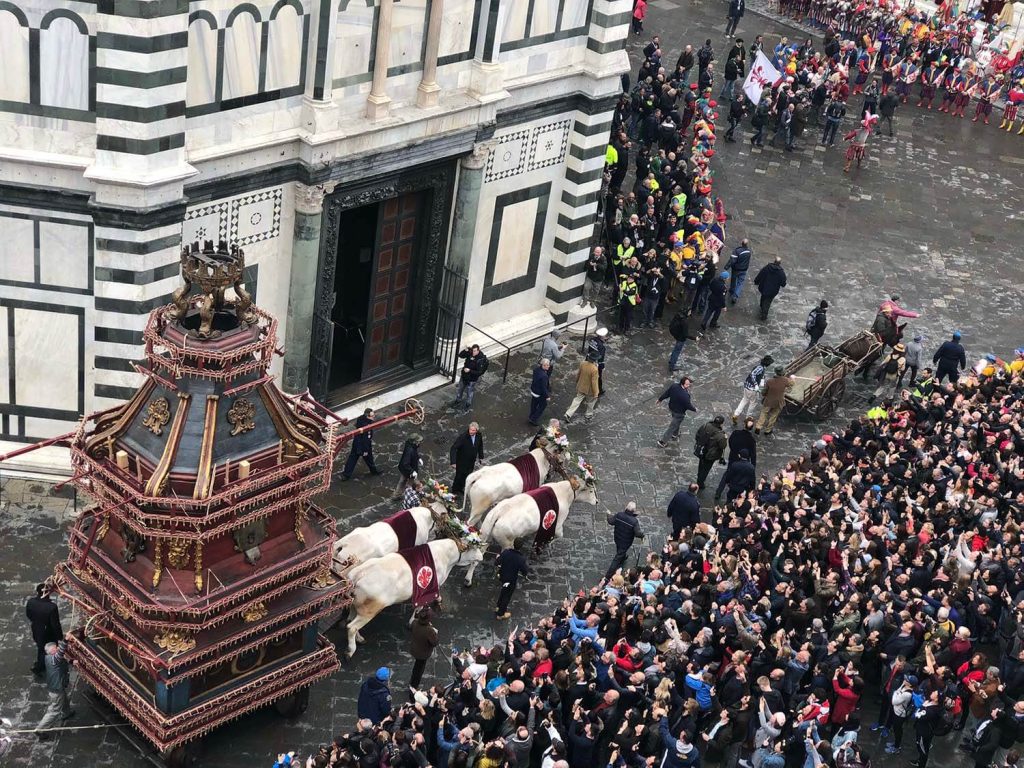
Our apartment was on Via Roma, right next door to the Duomo. Tourists coming and going at all hours. A blessing and a curse. But we had a bird’s eye view of everything – the parades, the Easter ceremonies, the daily rhythm of a city that has been doing this for 600 years.
This isn’t just another Florence travel guide. This is what it’s like to actually live here. To wake up to church bells. To walk past the Duomo on a Tuesday like it’s normal. To see the city in every season, not just in photos.
We walked the same cobblestone streets where Michelangelo walked. That never got old.
This post may contain affiliate links. We may earn a commission at no extra cost to you. Read our full Affiliate Disclosure.
Looking for where to stay? Here’s our full guide to the best areas and hotels in Florence.
When to Go
We get this question a lot. Here’s the honest answer.
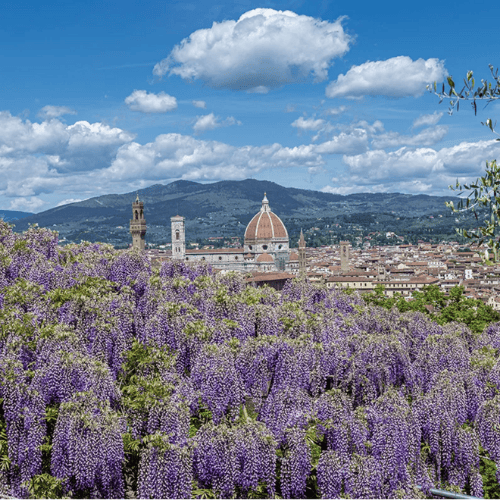
Spring (March and April) is our favorite. Everything is in bloom. The Bardini Gardens are covered in wisteria. The Rose Garden is open. The weather is good without being brutal. There are tourists but it’s not overwhelming.
January and early February is the hidden gem. After Epiphany the city goes quiet. Real quiet. You can walk through the Uffizi without bumping into anyone. Restaurants are calmer. Hotels are cheaper. It’s cold but it’s Florence without the crowds.
Summer is brutal. It’s genuinely hot and the city is packed. We lived through a Florentine summer and it’s a lot. If you go, start early, take a long lunch break, go back out at 6pm.
Fall is lovely. Similar to spring but the gardens are past their peak. Still a great time to visit.
Avoid: the week of Easter and the week around August 15th (Ferragosto). The city either empties out completely as locals leave, or it’s overwhelmed with tourists.
What to Know Before You Go
Florence is a small city. Most things are within walking distance of each other. That is both the beauty and the challenge. When it’s high tourist season, it becomes impossible to walk. The streets are narrow, the buildings are close together, and there is just not room for everyone.
A few things that matter:
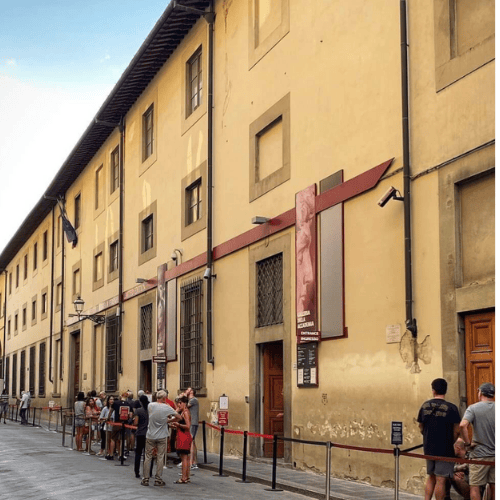
Book the big things in advance. The Uffizi, the Accademia (David), and the Dome climb all sell out. Not kind of. Completely. Do not show up and expect to get in. Book before you leave home.
Get off the main streets. The best restaurants, the best shops, the best Florence is on the small streets that branch off the big ones. Get lost on purpose. It always leads somewhere good.
Dress appropriately for churches. Shoulders and knees covered. Every church checks. Carry a scarf.
Wear good shoes. Cobblestones everywhere. Hills on the south side of the river. You will walk more than you think.
Florence is not Italy’s food capital but the food is excellent. It’s Tuscan food. Simple, seasonal, honest. Not complicated. That’s the point.
The Duomo
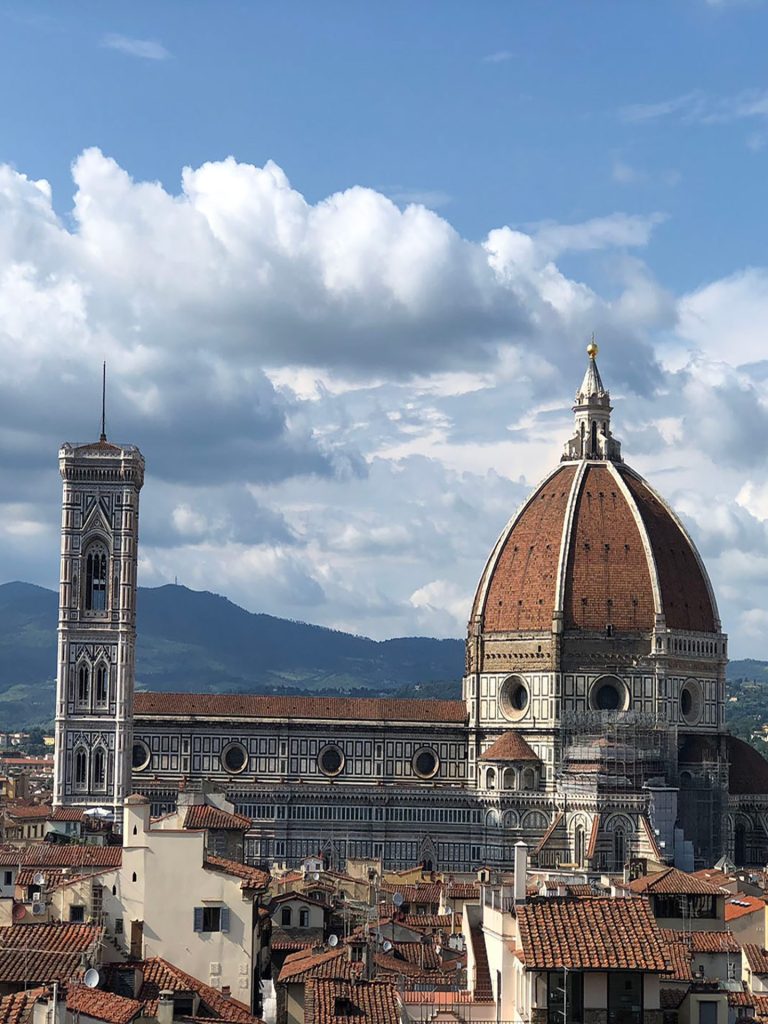
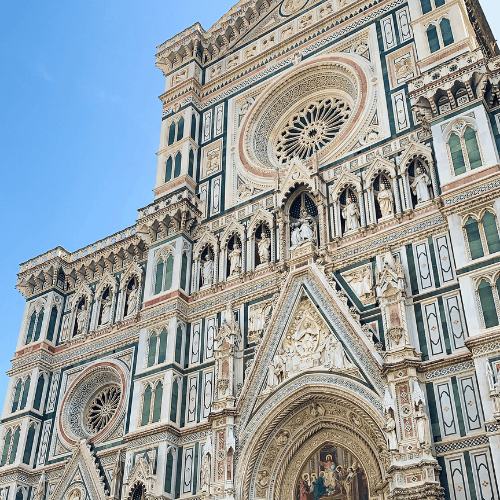
The Florence Cathedral. The defining image of the city. You see it from everywhere because it’s enormous – the dome rises above everything else and you orient yourself by it.
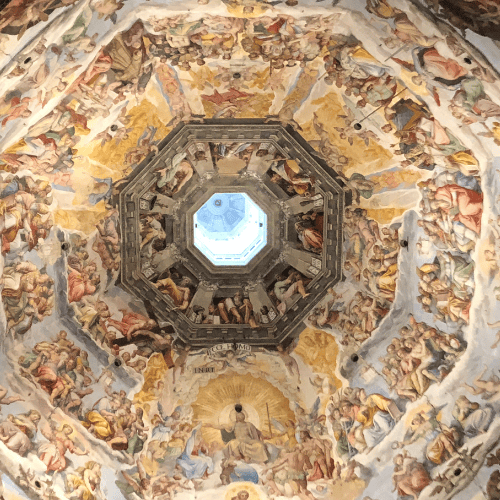
The cathedral itself is free to enter. The Brunelleschi Dome climb costs €15 and is completely worth it. The view from the top shows you just how compact and walkable the city really is. You see the terracotta rooftops stretching out and then suddenly the Tuscan hills.
The climb is tight and steep. There are 463 steps and no elevator. Not for the claustrophobic or anyone with mobility issues. But if you can do it, do it.
Book your dome ticket ahead of time. Only a limited number of people can enter each day and it sells out.
The Baptistery across the piazza is worth a look too. The golden doors on the east side are copies of Ghiberti’s originals – Michelangelo called them the Gates of Paradise.
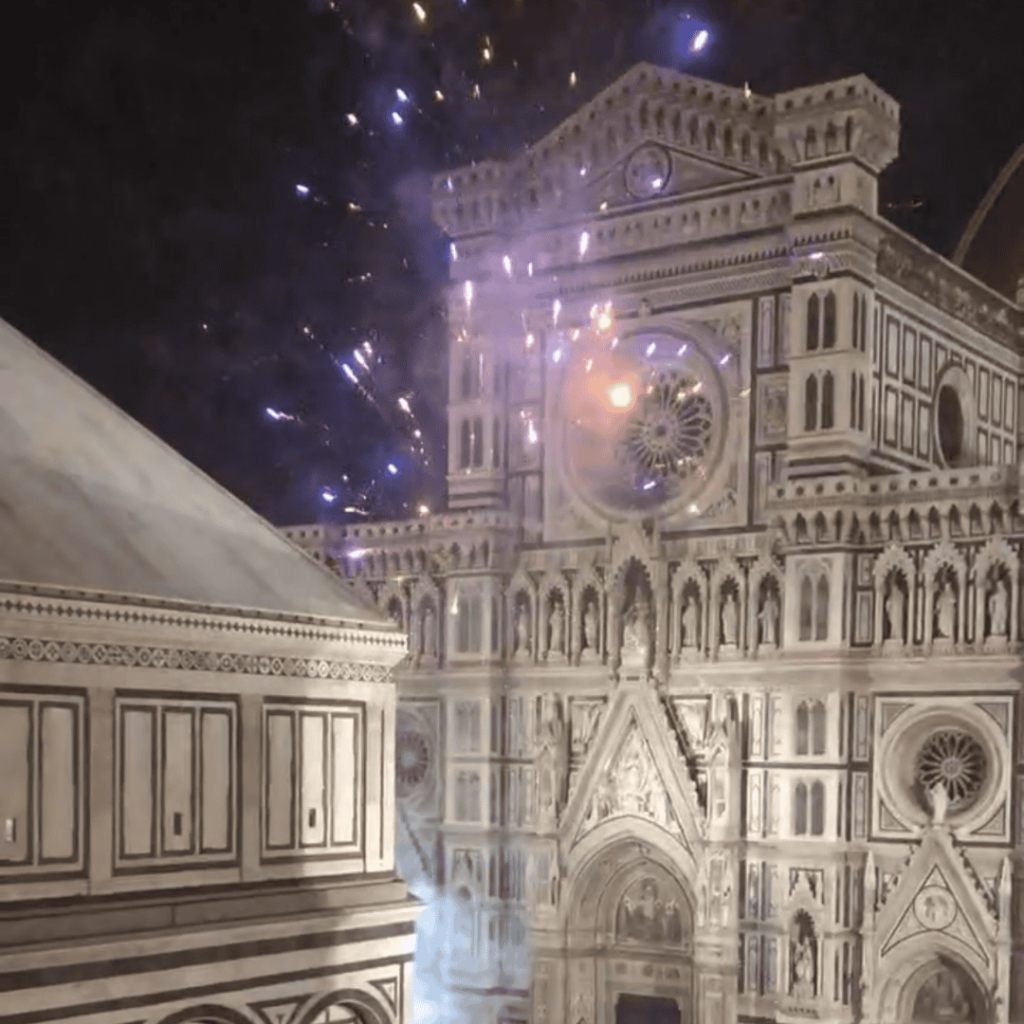
We lived right next to the Duomo for a year. We watched Easter parades come through the piazza from our window. We saw it in every season, every kind of light. It never looked the same twice.
You can book a Duomo and dome tour here if you want history and context, or get standard dome tickets and explore on your own.
The Uffizi Gallery
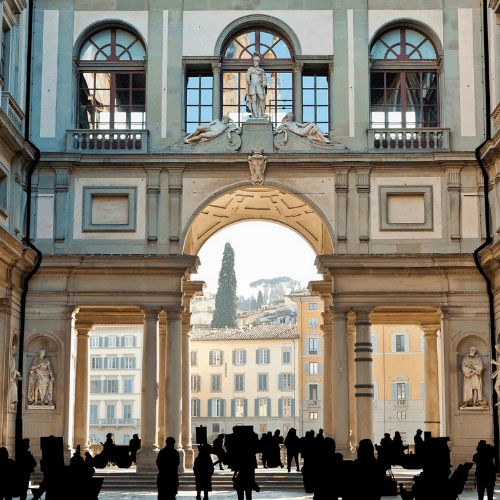
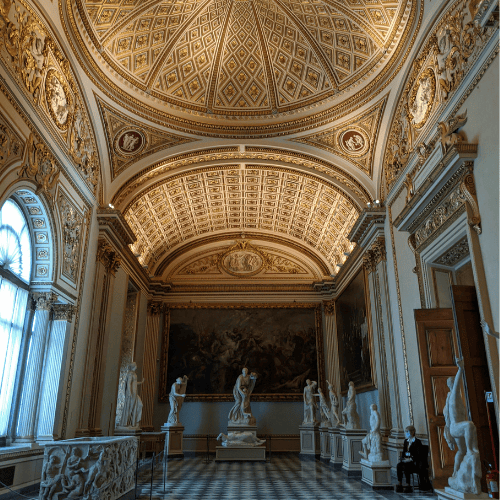
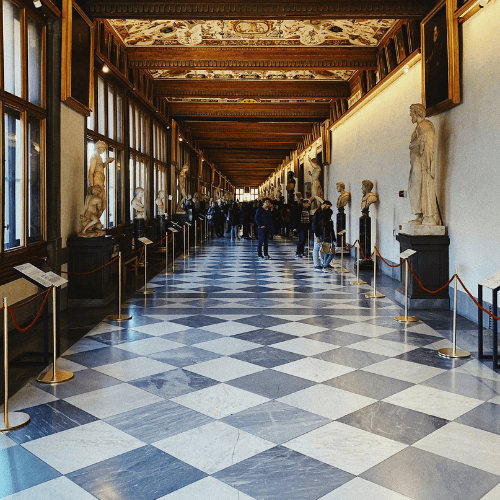
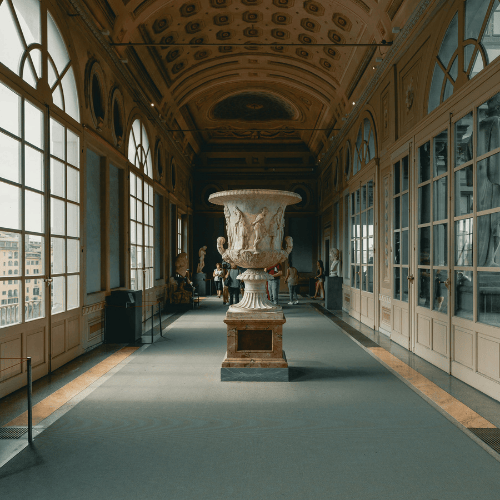
The main reason most people come to Florence. The collection is extraordinary – Botticelli’s Birth of Venus and Primavera, Caravaggio, Leonardo, Raphael, Michelangelo. Room after room of Renaissance masterpieces.
It can feel overwhelming. The layout is long and the crowds are real. Our advice: focus on the works you actually want to see rather than trying to do everything.
Tickets: €26 high season, €12 low season
Book front of line: here
Location: Piazza della Signoria
Insider Tip: Early morning is the quietest time to visit.
Another Tip: The rooftop café has great photos of the Palazzo Vecchio tower.
Accademia Gallery
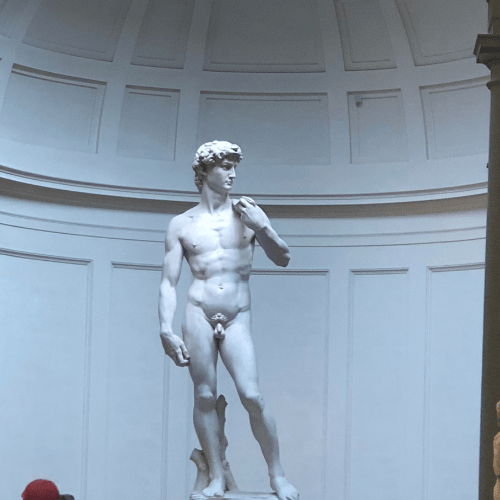
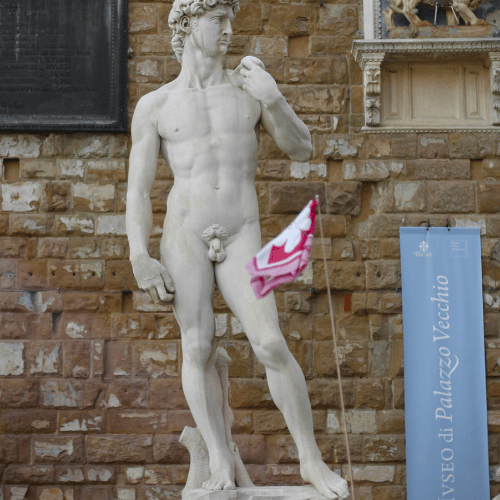
Most people come for one reason: Michelangelo’s David. And it is worth it.
The sculpture is larger than you expect. You walk in and there it is at the end of a long hall. It stops you. Walk all the way around it – the back is as impressive as the front.
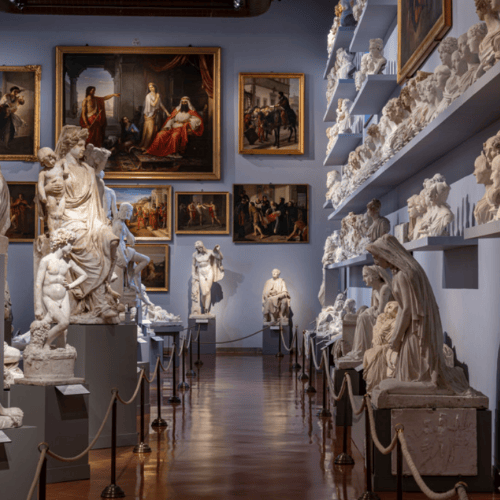
The rest of the museum is smaller and takes very little time. Plan about an hour total.
Tickets: €16 (about $17)
Book front of line: here
Location: San Marco
Insider Tip: Late afternoon is calmer than mid day.
Another Tip: Move around the sculpture for the best angles since the back side is just as impressive as the front.
Palazzo Vecchio
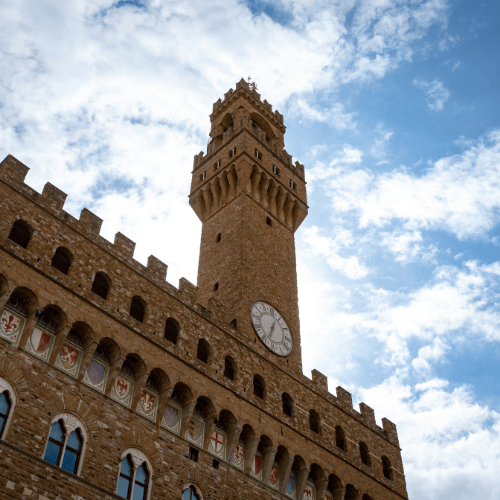
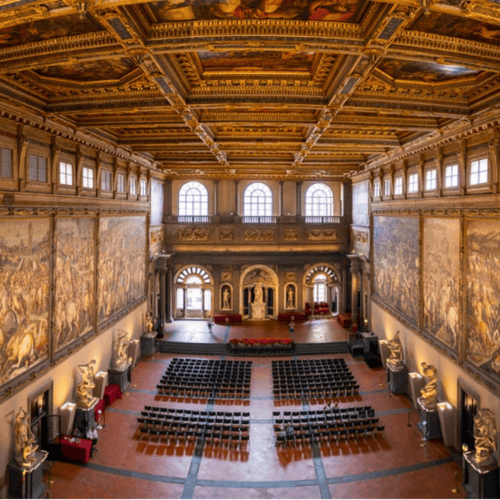
Florence’s historic town hall and one of the most interesting buildings in the city. The Hall of the Five Hundred is dramatic and bold. The rooms tell the story of Medici power in a way that museums don’t.
Add the tower climb for panoramic views over Piazza della Signoria. The tower closes during bad weather so check conditions before buying your ticket.
Dylan dressed up in medieval costume here and did a scavenger hunt through the museum. He still talks about it. Good for families.
Tickets: €15 for museum, €12.50 for tower
Book front of line here: Get tickets
Location: Piazza della Signoria
Insider Tip: The tower closes during bad weather so check conditions before buying your ticket.

Pitti Palace and Boboli Gardens
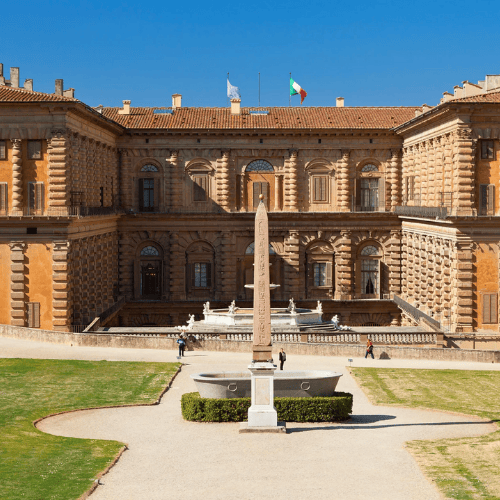
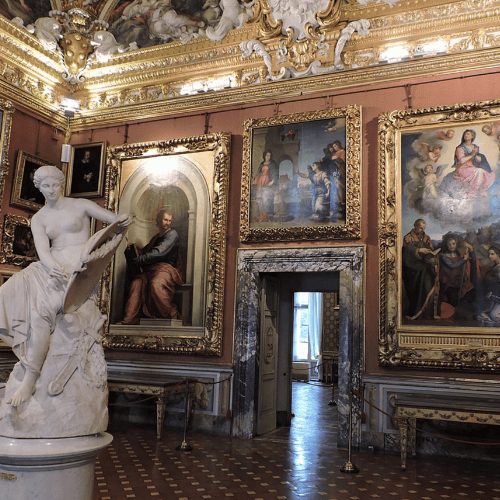
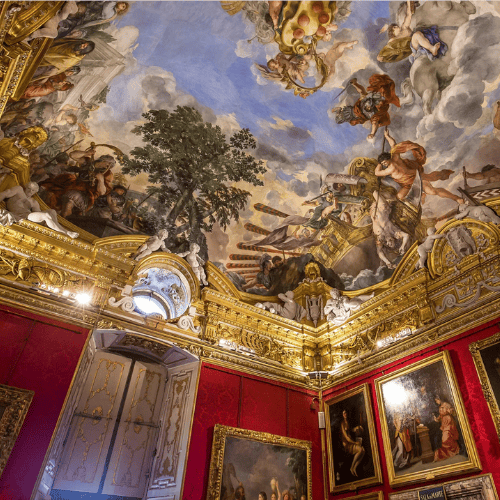
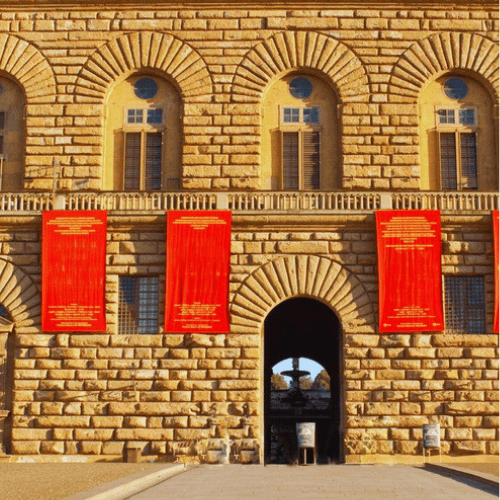
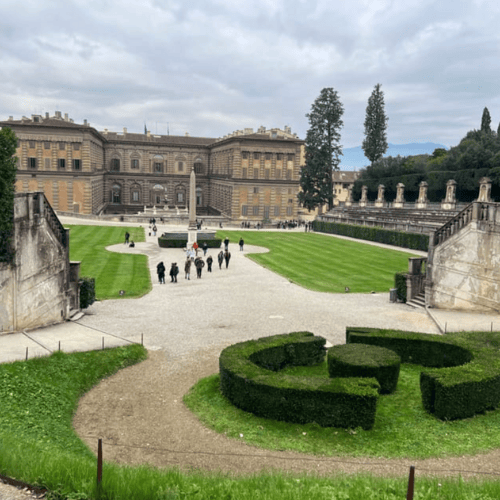
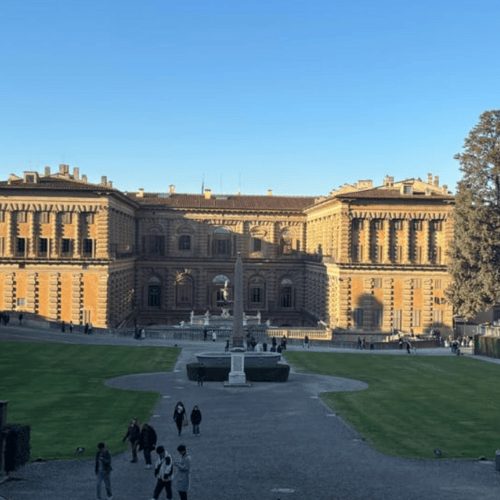
The Pitti Palace sits just across the river and shows a grand look into Medici life. The inside is full of royal apartments and galleries while the Boboli Gardens behind the palace offer open green space and quiet walking paths. This is a good option when you want a break from the crowds in the city center.
Tickets: €16 for palace, €10 for gardens
Book front of line here: Get tickets
Location: Oltrarno
Insider Tip: Visit the gardens in the morning before the sun gets strong. They are large and mostly open with little shade.
Galileo Museum
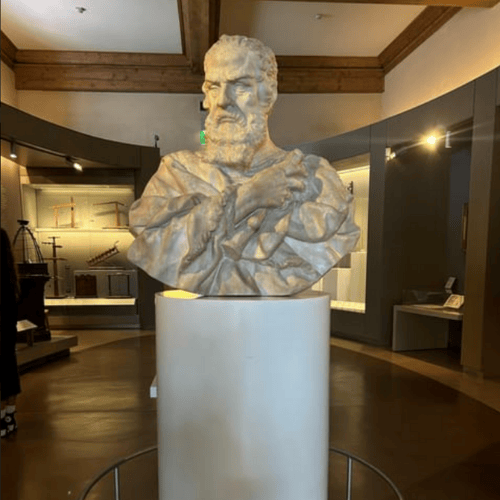
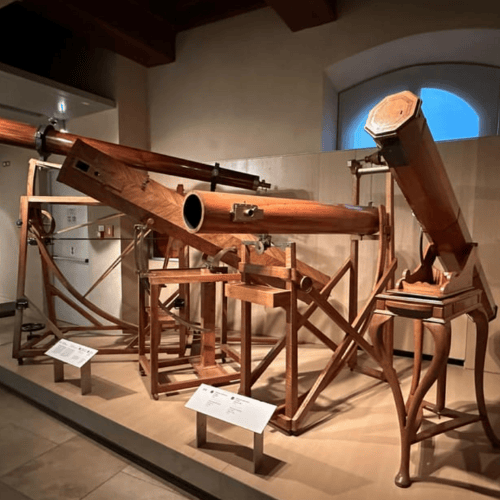
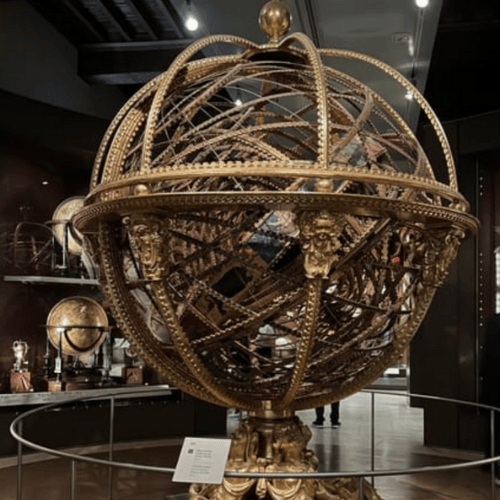
The Galileo Museum is a great stop if you enjoy science or want something different from the usual Renaissance art. The collection includes telescopes, globes, maps, and early medical instruments. It is smaller than most museums in Florence which keeps the visit short and easy.
Tickets: €13
Book front of line here: Get tickets
Location: Near the Uffizi
Insider Tip: This is a good rainy day option because it stays quieter than the major museums.
Gucci Museum
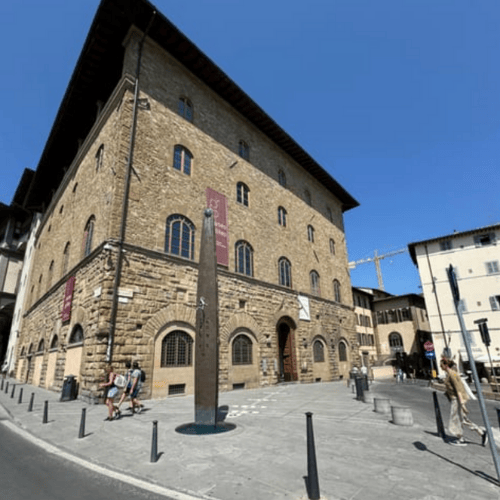
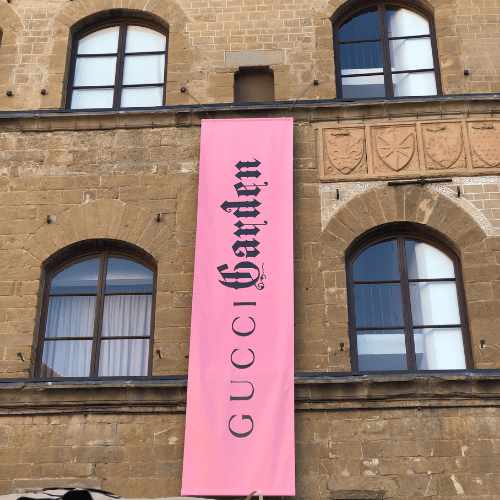
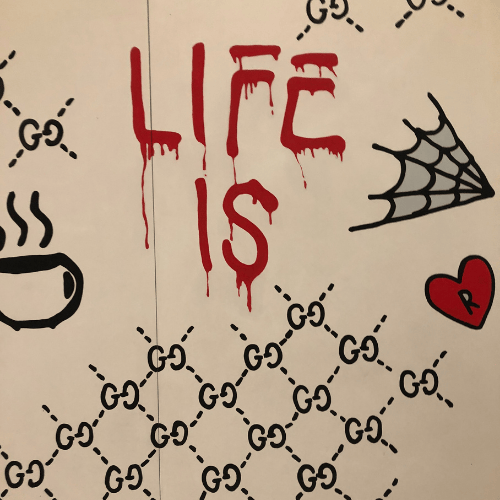
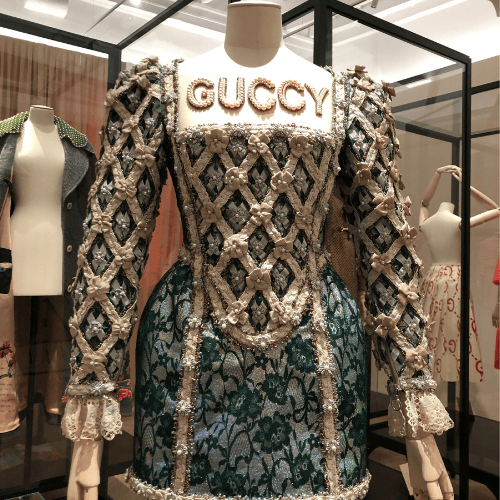
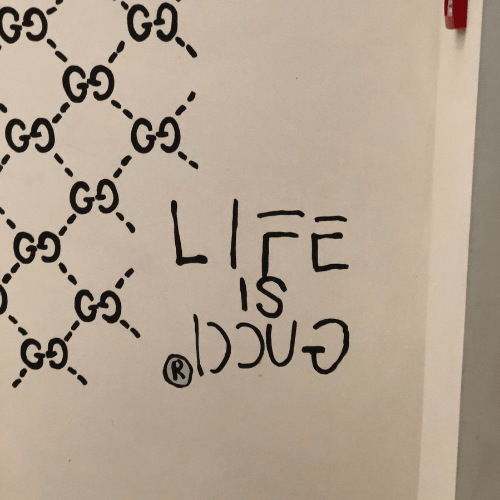
The Gucci Museum is a small, well-curated space inside Palazzo della Mercanzia. It walks you through the history of the brand with archival pieces, vintage luggage and rotating contemporary exhibits. It doesn’t take long to visit which makes it an easy stop while exploring Piazza della Signoria.
Tickets: €9
Location: Piazza della Signoria
Insider Tip: Go early in the day. The museum is compact and feels better when it’s quiet.
Ponte Vecchio
The oldest bridge in Florence and the only one that survived World War II. The Germans destroyed all the other bridges as they retreated in 1944. Ponte Vecchio was spared – some say on Hitler’s direct order, others dispute this.
The bridge is lined with gold and jewelry shops. It’s been a commercial bridge since the 14th century – before that it had butchers and tanners, but the Medici kicked them out because the smell bothered them when they crossed.
Walk across it. Don’t just photograph it from the riverbank.
Must-See Churches
Florence Cathedral (Duomo)
See above – covered in detail.
Basilica of Santa Croce
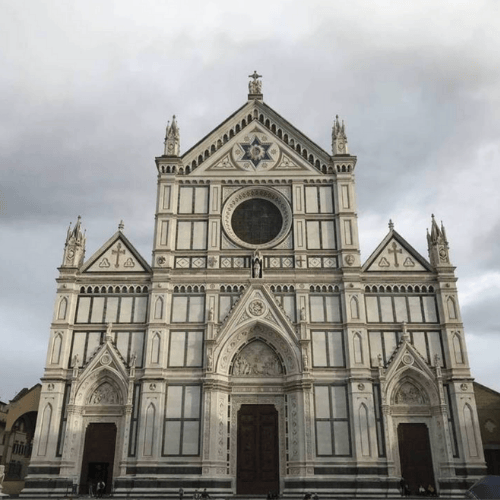
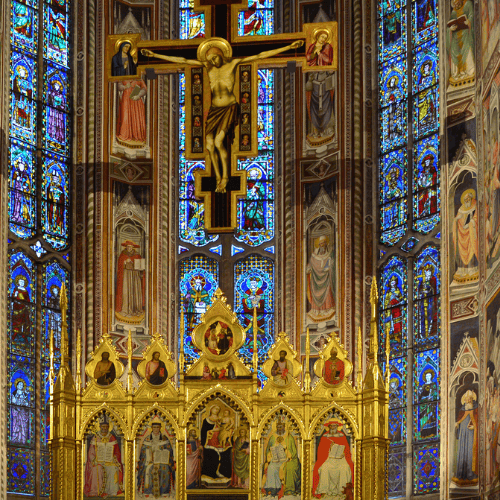
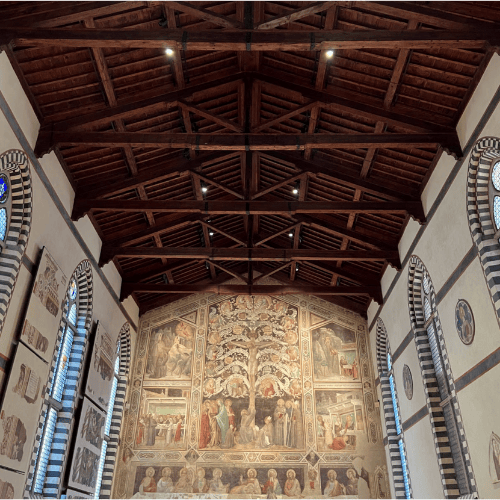
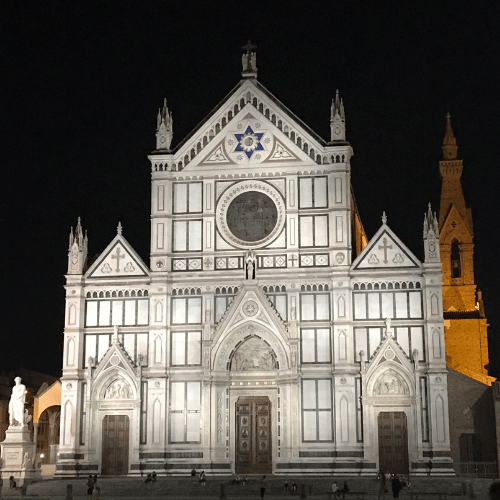
Known as the Temple of Italian Glories. Michelangelo, Dante, and Machiavelli are buried here. The frescoes inside are stunning. The atmosphere is completely different from the busier parts of the city – quiet and cool even in summer.
We lived a short walk from Santa Croce and stopped in often to escape the heat. It became one of our regular places.
Tickets: €11
Book tickets here: Get fast track
Location: Near Piazza Santa Croce
Insider Tip: Visit early in the morning or late in the afternoon to avoid tour groups and enjoy the peaceful interior.
San Lorenzo and Medici Chapels
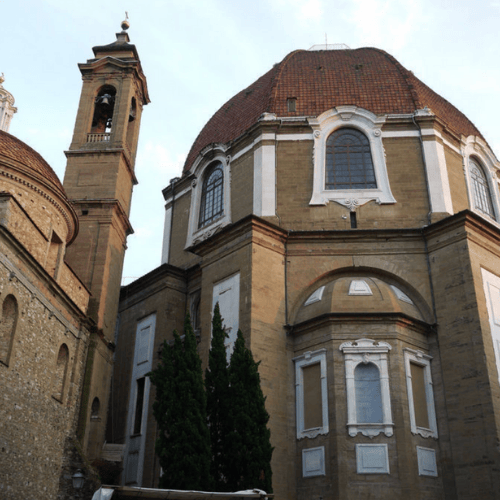
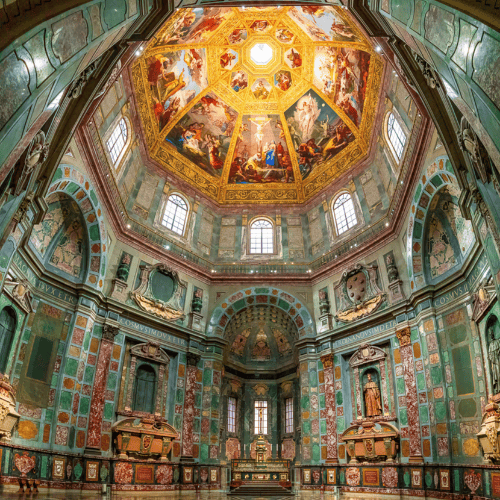
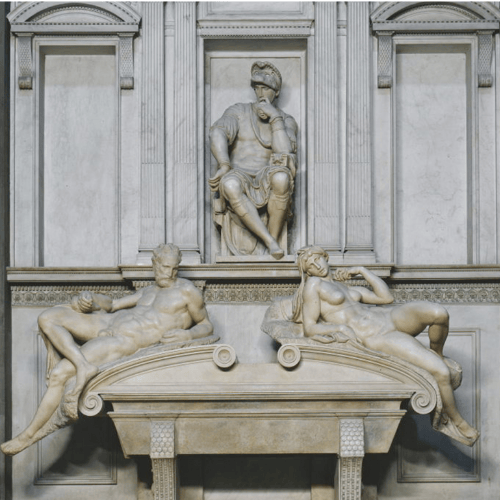
The parish church of the Medici family. The Medici Chapels hold elaborate tombs designed by Michelangelo. Standing in there you understand just how much power and money this family had.
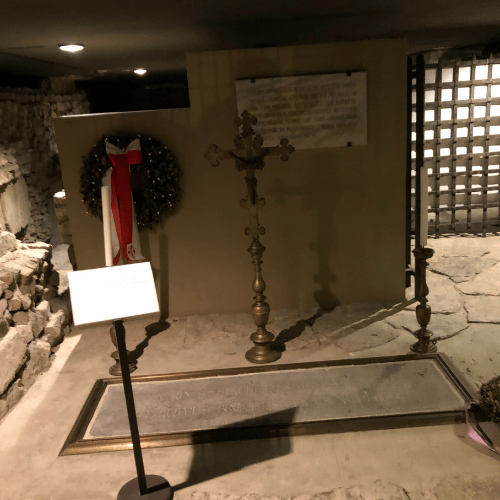
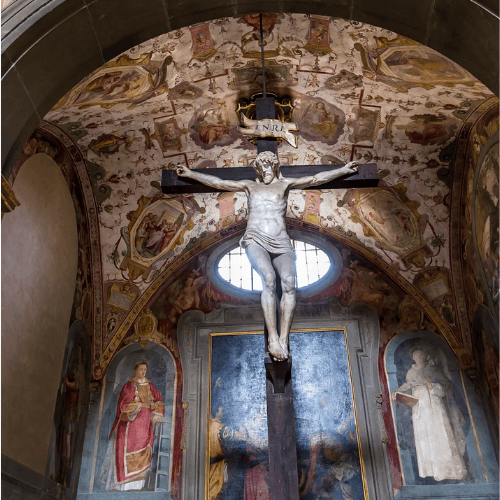
Don’t miss the underground area where Michelangelo hid from the Medici and sketched drawings on the walls. It’s a strange and fascinating detail.
Tickets: €9
Location: Near Mercato Centrale
Insider Tip: Don’t miss the underground area where Michelangelo hid from the Medici and sketched drawings on the walls.
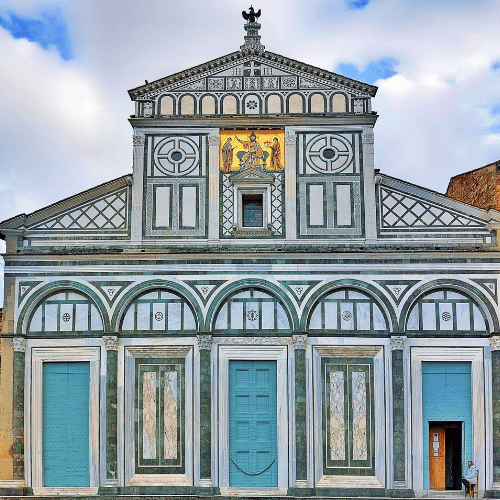
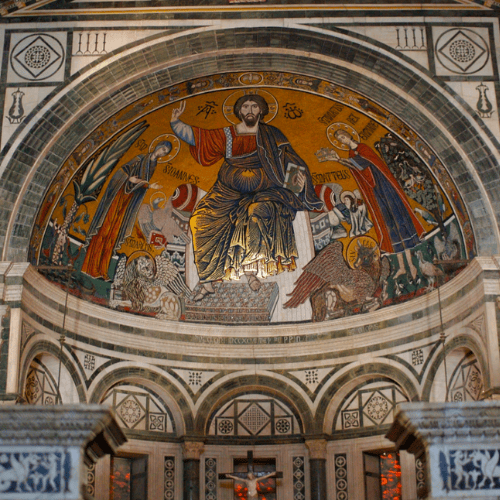
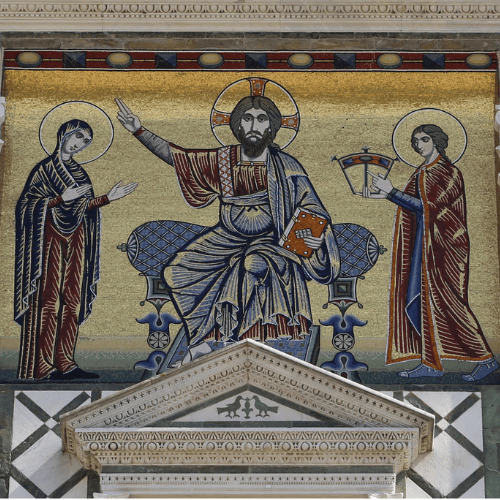
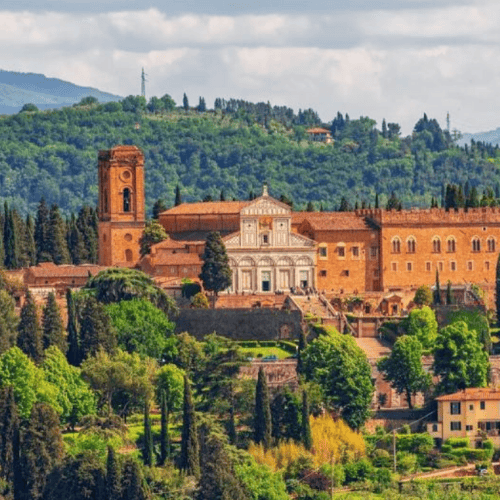
San Miniato al Monte
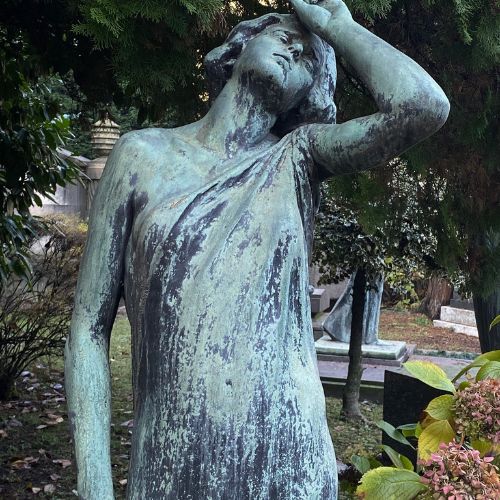
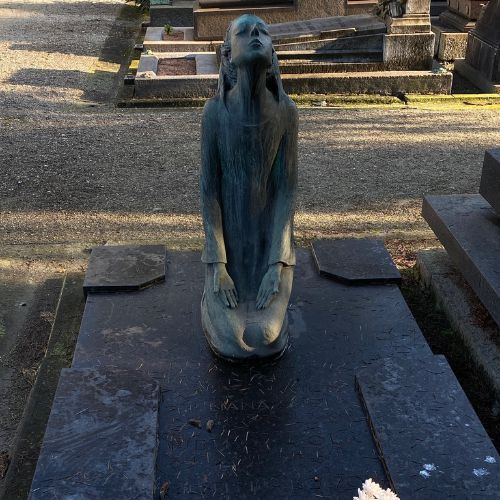
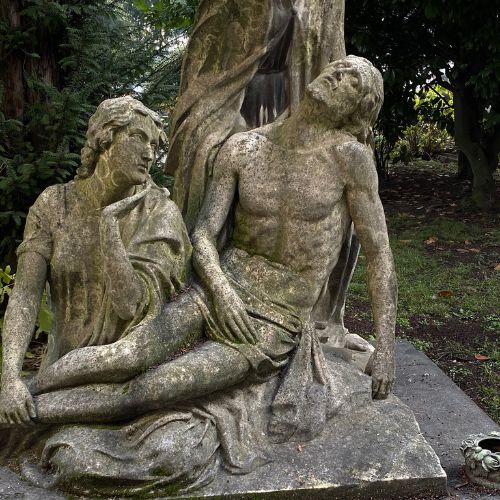
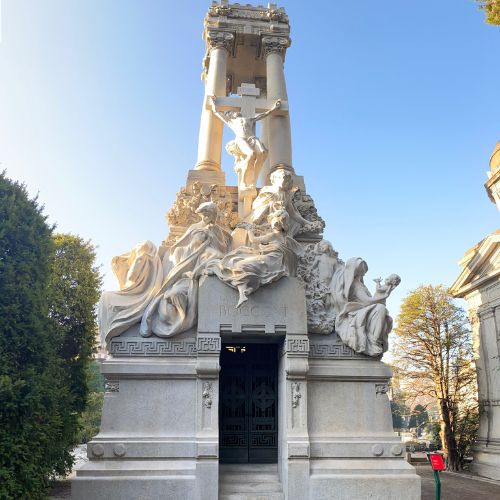
One of Florence’s oldest churches, sitting high above the city. The Romanesque interior is calm and beautiful. The cemetery behind the church is one of Florence’s most atmospheric spots.
We walked up here when friends visited. Every time.
Go at sunset. Stay for the Gregorian chants performed by the monks in the evening. It’s one of those Florence experiences that stays with you.
Tickets: Free
Location: Above Piazzale Michelangelo
The Gardens
Boboli Gardens
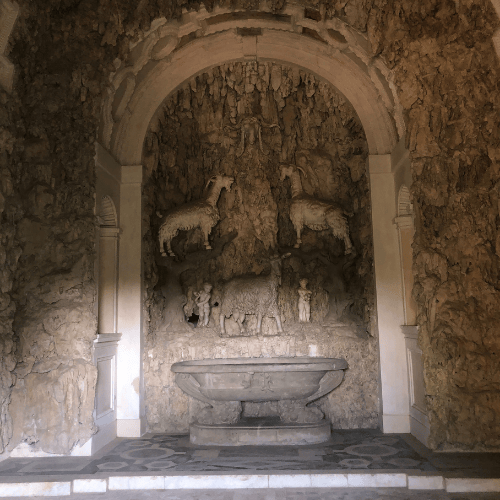
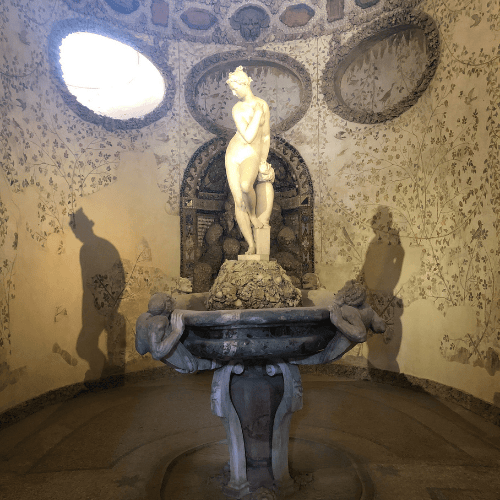
Behind Pitti Palace and Florence’s largest green space. Renaissance sculptures, fountains, grottos, and wide walking paths. When the city center feels like too much, this is where you go.
We covered Pitti Palace and Boboli together in the section above – they’re connected and worth doing on the same visit.
Bardini Gardens
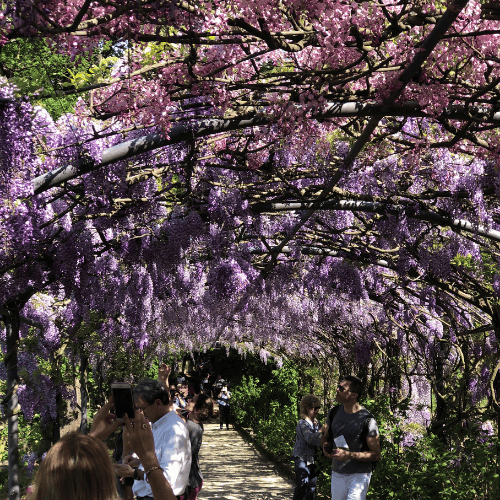
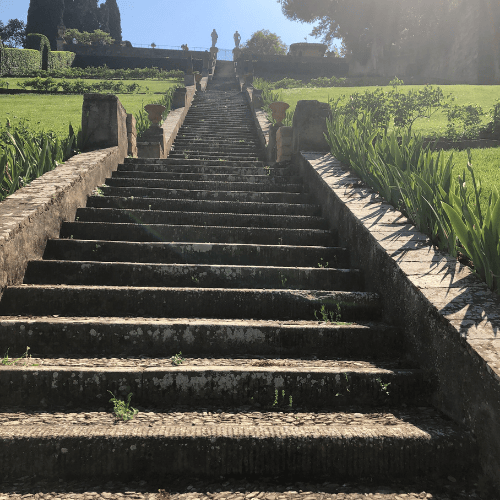
Our favorite. A calm alternative to Boboli. Known for wisteria tunnels in spring, Renaissance terraces, and some of the best views of Florence. It stayed quieter even in peak season, which is why we kept coming back.
Visit in April for the wisteria tunnel at peak bloom. The views of the Duomo from up here are the best in the city.
Tickets: €10
Location: Near Oltrarno
Insider Tip: Visit in April for the wisteria tunnel at peak bloom.
Rose Garden
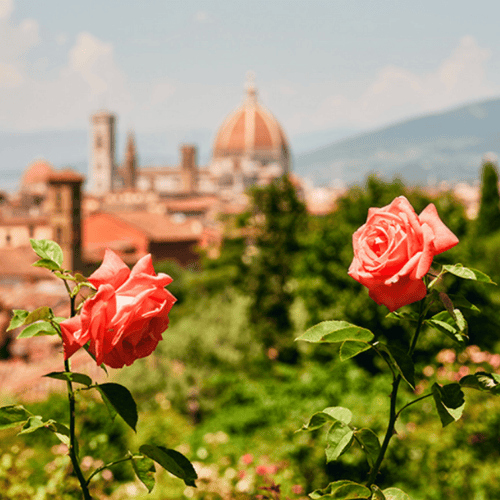
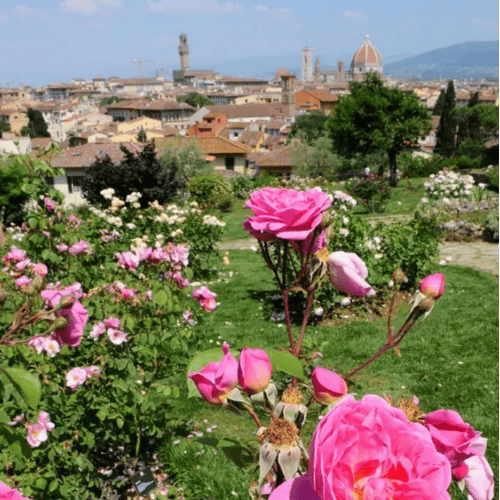
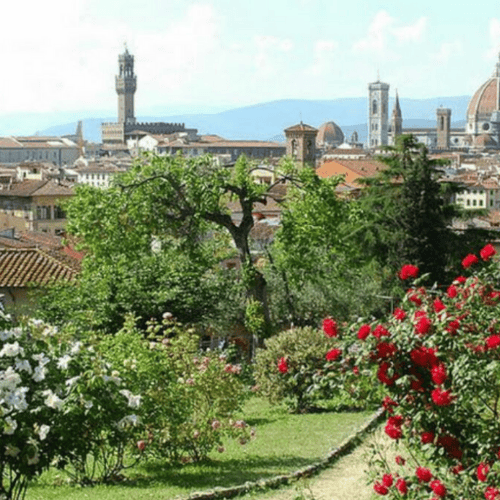
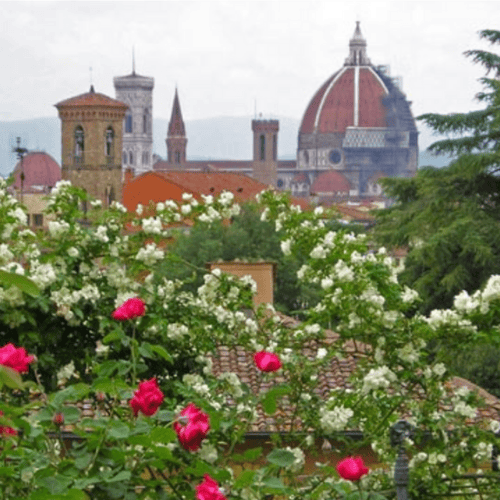
More than 400 varieties of roses and one of the best panoramic views of Florence. It sits just below Piazzale Michelangelo and has sculptures by Jean-Michel Folon throughout the space.
Free. Quiet. Perfect for a picnic with a view.
Tickets: Free
Location: On the walk up to Piazzale Michelangelo
Insider Tip: Visit in May or early June when the roses are blooming. It’s also one of the best places in Florence for a picnic with a view..
Iris Garden
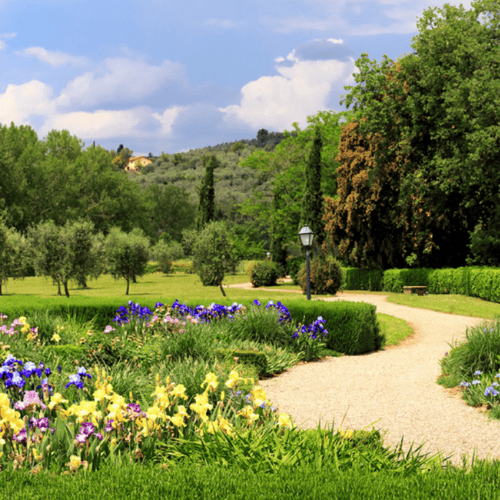
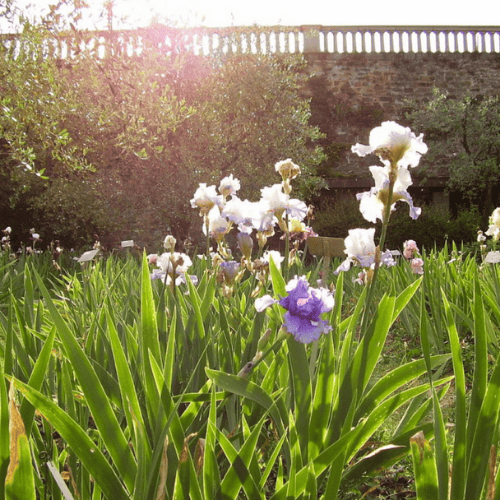
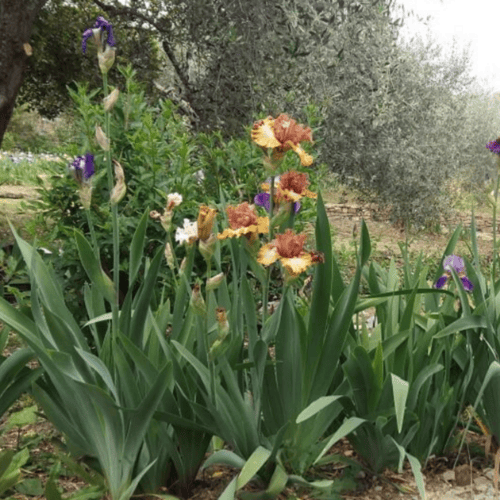
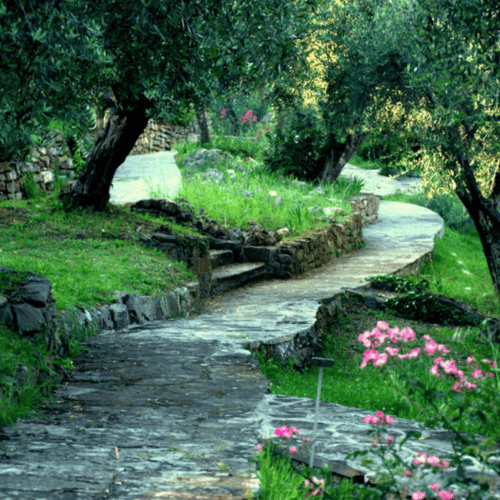
Open only in April and May. Rare iris varieties from around the world with Florence in the background. One of the city’s most unique seasonal spots. Check opening dates before you go as they change each year.
Tickets: Free
Location: Near Piazzale Michelangelo
Insider Tip: Check opening dates before you go since they change each year. Early morning light is best for photos.
Neighborhoods
Centro Storico
Where most visitors spend their time. The Duomo, Uffizi, Piazza della Signoria, Ponte Vecchio. All within walking distance of each other.
We lived here. Via Roma, right next to the Duomo. It was full of tourists all the time and we loved it anyway. The history is on every corner. You can’t walk a block without passing something that’s been there for 500 years.
Oltrarno
Cross the Arno and everything changes. Quieter streets, local shops, artisan workshops. Leatherworkers, bookbinders, gilders, jewelers. Many workshops welcome visitors inside.
This is where Florentines actually live. The restaurants are less touristy. The vibe is slower. We came here when we needed a break from the Centro.
Sant’Ambrogio market is here. We went almost every week. Local cheese, fresh produce, regional specialties. It’s how Florentines actually shop.
Piazzale Michelangelo
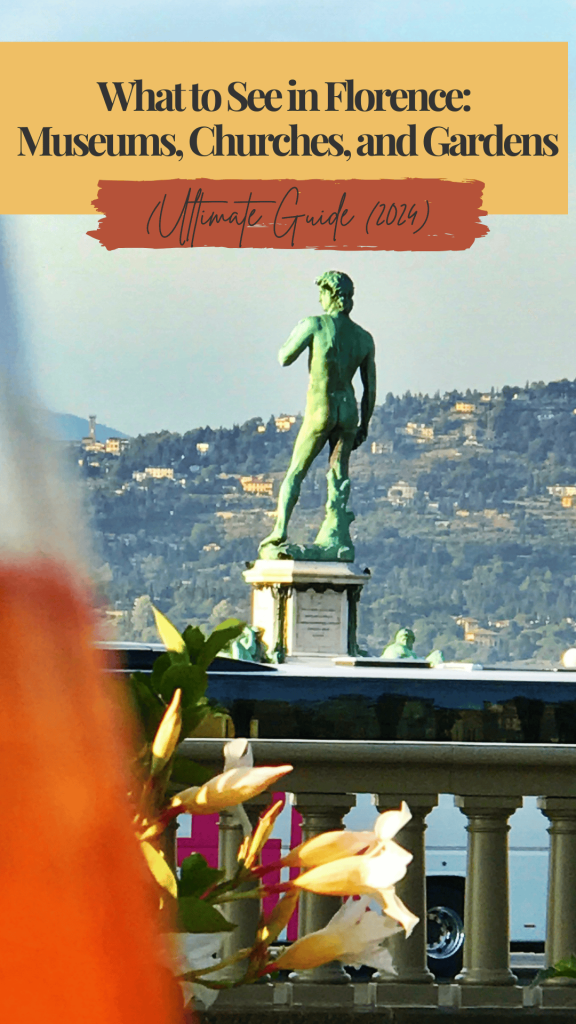
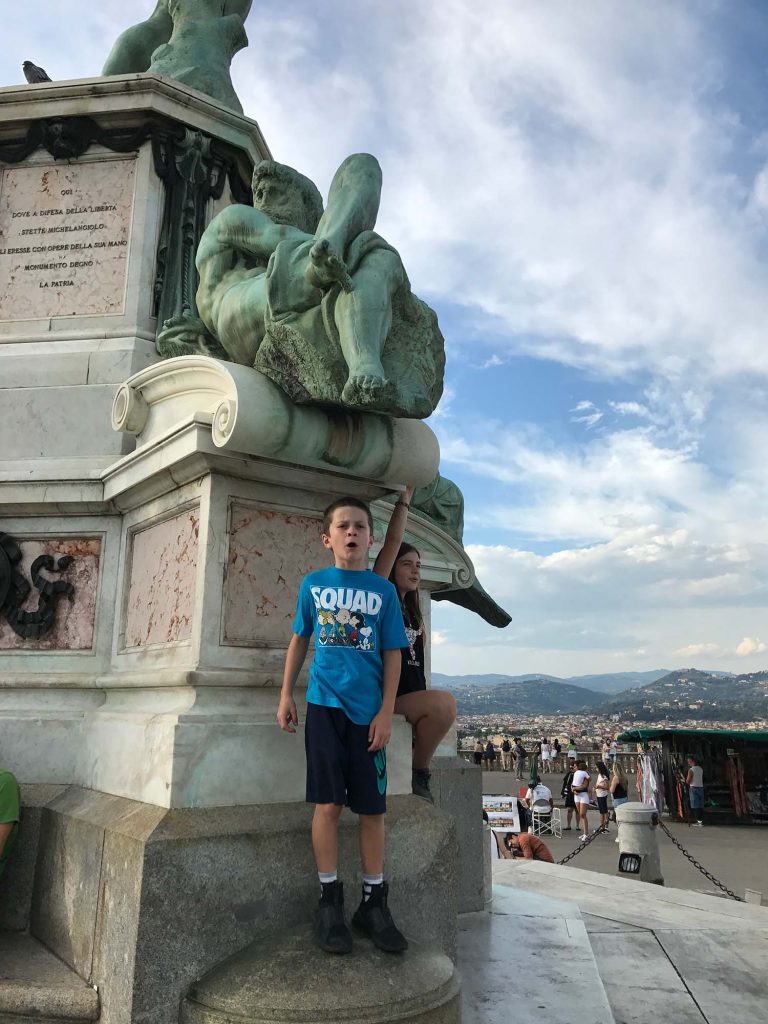
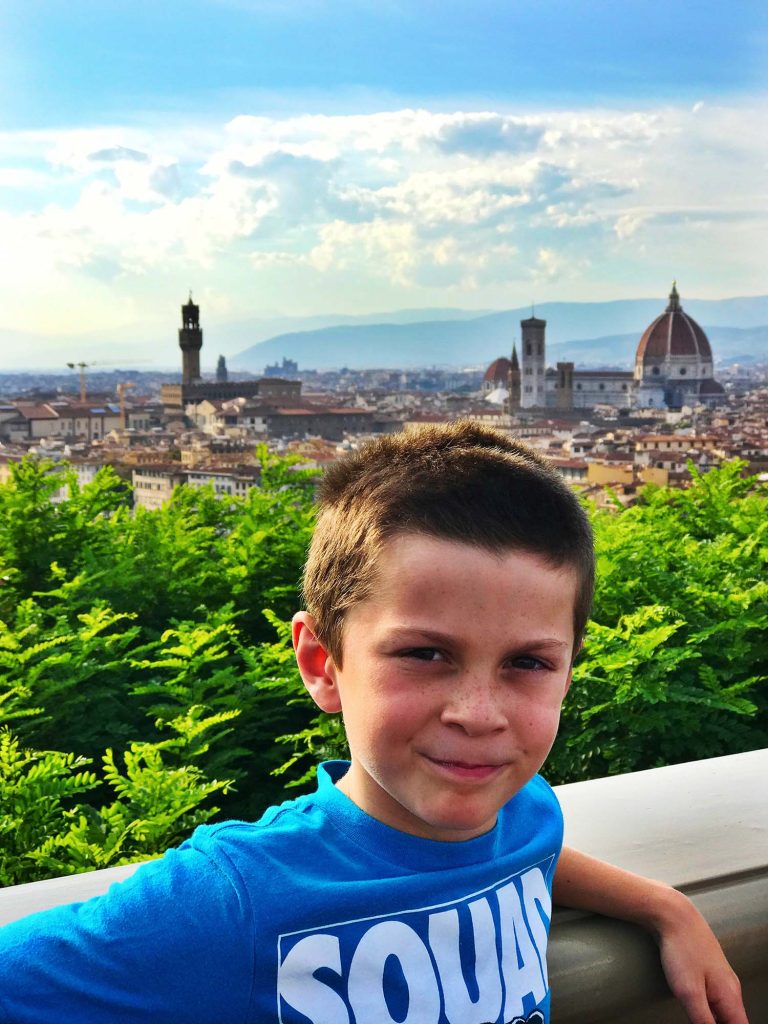
Not a neighborhood but worth its own mention. The viewpoint above the city with the famous panoramic view of Florence. Every postcard view of the city with the Duomo and the hills in the background is taken from here.
Go at sunset. Half the city goes at sunset. It’s crowded but the view makes it worth it.
Experiences Beyond the Sights
Take a Tuscan Cooking Class
We took visiting family and friends to cooking classes regularly during our year in Florence. It always stood out as the most memorable local experience.
Most classes start with a guided market visit where you pick seasonal ingredients, then you cook and sit down to eat everything you made. Fresh pasta, traditional sauces, tiramisu. A few hours that feel like the real Florence.
Book in advance. The good ones fill up.
Explore Oltrarno Artisan Workshops
Cross the Arno and wander. Leatherworking, bookbinding, gilding, jewelry making. Small workshops where craftsmen still practice skills that have been passed down for generations. Many welcome visitors inside.
This is one of the best ways to see Florence the way it actually works rather than the museum version.
Rent a Vespa and Ride Through the Tuscan Hills
When Dylan was little he loved riding on the back roads with us in a helmet that barely fit. It felt like we were in our own Italian movie.
Rolling vineyards, small villages, plenty of stops along the way. You can book guided tours if you’re not confident navigating alone. One of the best ways to escape the city for a few hours.
Mercato Centrale
The big covered market near San Lorenzo. Two levels – the ground floor is where people do their actual shopping, with the whole farmers market setup. Fresh produce, cheese, meat, local products. Local, fresh, sold right there.
The upper level is a food court with an amazing variety of food at reasonable prices. Everyone can get what they want and eat together. Good for families and good for anyone who wants to eat well without a reservation.
Discover the Vasari Corridor and Secret Passages
Go beyond the grand halls with a guided tour of Florence’s hidden passageways, including the famous Vasari Corridor. Originally built for the Medici family so they could move around the city without being seen by the public.
This is one of the most unique tours we did in Florence. It gave us a completely different view of the city – the parts most visitors never see.
Book well in advance. Access is limited.
Sant’Ambrogio Market
Different from Mercato Centrale. More local, less touristy. This is where Florentines actually shop. We went almost every week during our year there and it became one of our favorite parts of local life.
Cheese, produce, bread, random household goods. Go on a weekday morning.
Aperitivo
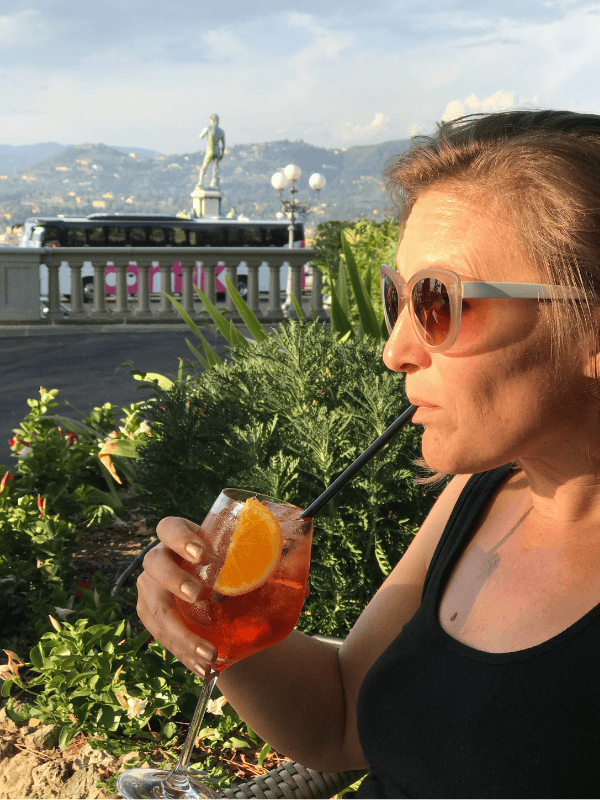
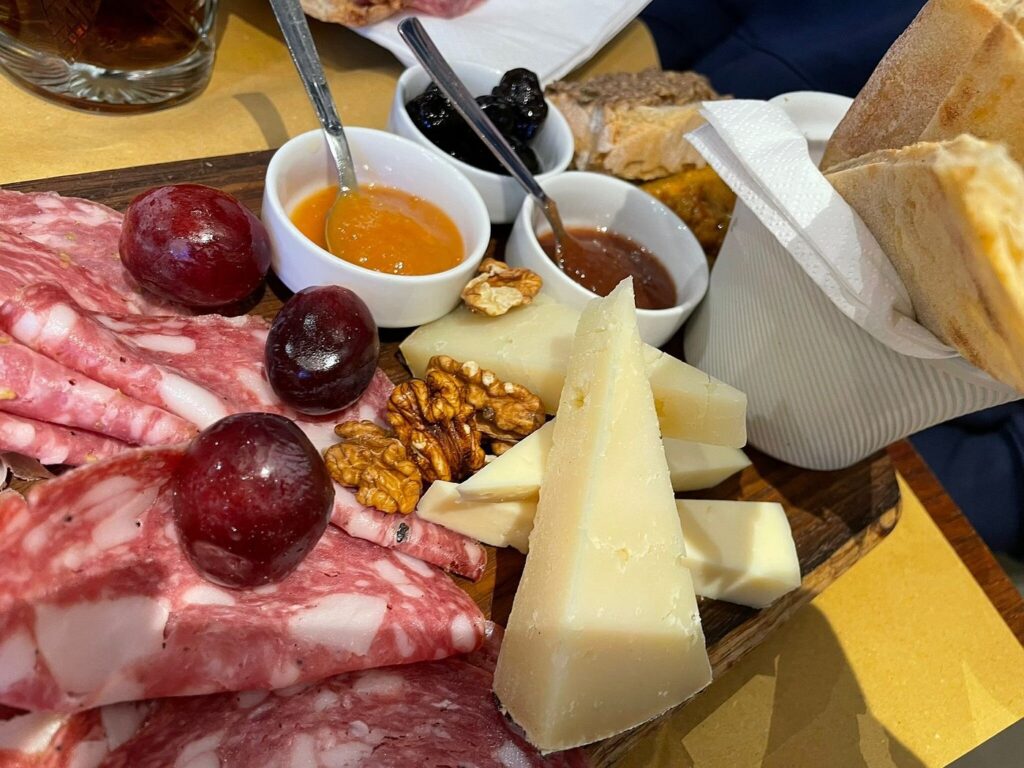
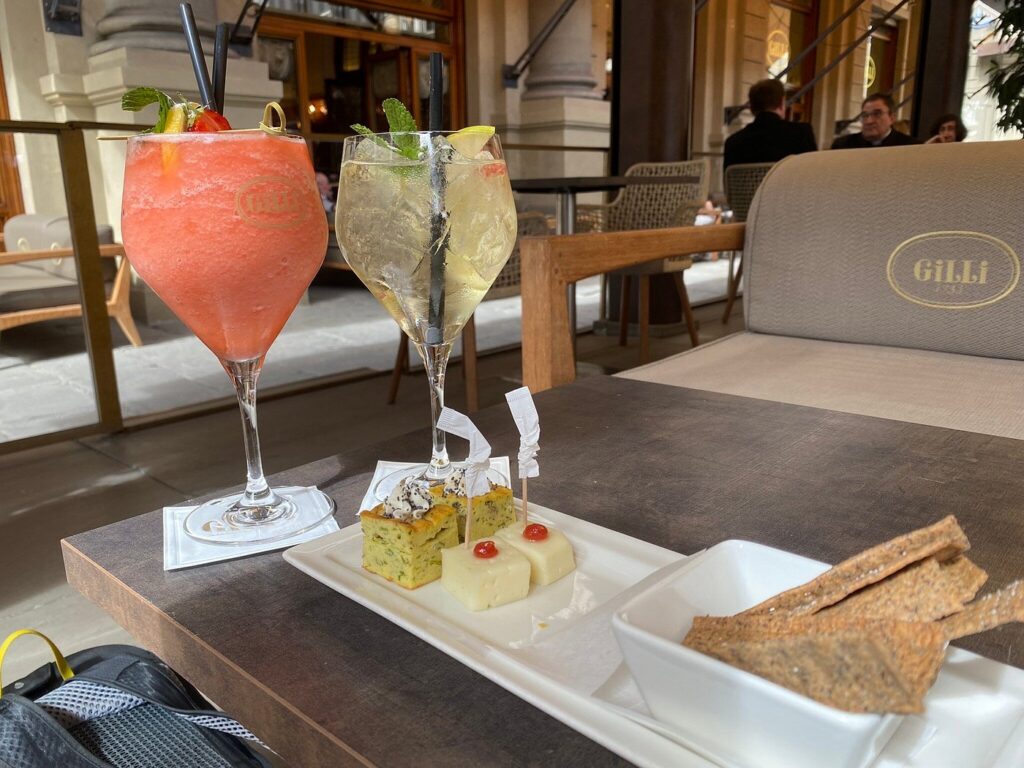
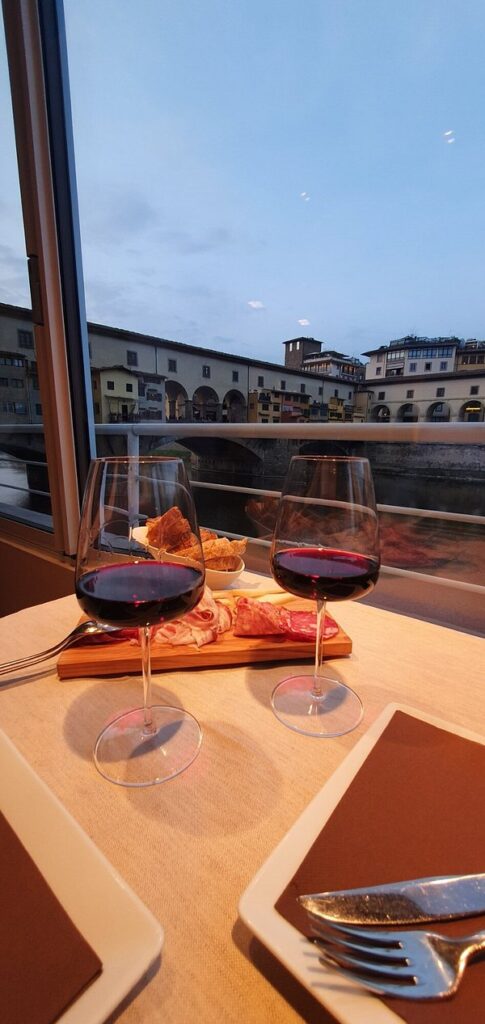
Florence takes aperitivo seriously. Before dinner, from about 6pm onward, you have a drink and some snacks to open your stomach before the meal. Aperol spritz, prosecco, Negroni. Small bites of focaccia, cheese, whatever the bar is offering.
It’s not a Milanese invention – that tradition comes from Turin. But Florence does it beautifully. Almost every bar participates. It became part of our daily rhythm when we lived there.
Find a bar with outdoor seating near the river or up toward Piazzale Michelangelo for sunset. That’s the move.
What to Eat
Tuscan food is provincial food. Simple, seasonal, not complicated. The ingredients are the point.
Ribollita – Bread soup with vegetables and beans. Sounds simple. It’s extraordinary. One of our favorite things we ate that year.
Bistecca alla Fiorentina – The Florentine steak. Huge, thick, cooked rare. Served on the bone. This is the dish Florence is famous for and they do not mess around with it.
Lampredotto – Tripe sandwich. Street food. You’ll see carts around the market areas. Very local, very traditional. Not for everyone but worth trying once.
Crostini Toscani – Chicken liver pate on toasted bread. Classic Tuscan starter. Better than it sounds.
Pappa al Pomodoro – Bread and tomato soup. Again, sounds boring. Tastes like Tuscany.
Pecorino – The local cheese. Young or aged. Get both. The aged version with honey is one of the great simple pleasures.
Chianti and Chianti Classico – The local wine. Chianti Classico is the stricter designation. Riserva means it’s been aged longer. Don’t overthink it – just order the house Chianti and you’ll be fine.
Gelato – Florence has some of the best gelato in Italy. Look for shops that make their own and keep it in covered metal containers, not piled high in colorful mounds. The colorful piles are usually full of air and artificial color.
The rule for restaurants: Get off the big streets. Walk down the small alleys. Find the place with a handwritten menu, four tables, and a grandmother in the kitchen. That’s where you want to eat.
Day Trips from Florence
Florence is perfectly positioned for day trips. Good train connections and the Tuscan countryside is right there.
Siena – An hour by bus or car. Medieval hill town with the famous Piazza del Campo and the Palio horse race twice a year. Very well preserved. Worth a full day.
San Gimignano – 90 minutes by bus. The city of towers. A perfectly intact medieval hill town. Touristy but worth it. Go on a weekday.
Cinque Terre – About 2.5 hours by train. Five coastal villages connected by hiking trails. Book accommodation well ahead. Best in spring or fall.
Chianti Wine Region – Right between Florence and Siena. Wineries, olive groves, cypress trees. You can drive yourself or book a wine tour from Florence. This is what people mean when they say Tuscany.
Lucca – 90 minutes by train. Walled Renaissance city. Bike around the walls. Quieter than the other Tuscan destinations. A good half day.
Pisa – An hour by train. Yes the tower, obviously. But the whole Campo dei Miracoli – the cathedral, baptistery, and cemetery around it – is genuinely beautiful. Pisa is underrated. Spend more than an hour.
Florence is a place nobody should miss. We remember walking down the streets thinking Michelangelo could have walked right here. The same cobblestones, the same buildings, the same light. It’s bananas to think about how much history has passed through this city.
You can’t lose going to Florence. It’s fantastic.
Planning More Italian Travel
Want to keep exploring? Check out more of our Italy favorites:
Fall in Tuscany – wineries, hill towns and seasonal festivals
Venice, Italy – Canals, cicchetti and the beauty of getting lost.
Lake Garda, Italy– Lakeside towns, swimming and slow travel by the water.