
European Christmas Traditions: Facts, Customs and Origins Across the Continent
Europe has some of the oldest Christmas traditions in the world. Many of the things we think of as modern holiday customs started in Germany, France, Italy and the Nordic countries long before Christmas markets became a December staple. On our travels across Europe we’ve picked up small details, strange stories and historical facts that show how varied Christmas really is. Some traditions are sweet, some are unusual and some feel completely different from what you find in the United States. This guide brings together the best European Christmas traditions and the stories behind them.
Advent Calendars
The Advent calendar is one of the most enduring European Christmas traditions. It began in Germany in the 1800s when families kept track of the days before Christmas with chalk lines on a wall or by lighting a candle each day. Printed calendars appeared in the early 1900s with small doors that opened to reveal tiny pictures. Chocolate versions arrived in the 1950s and spread quickly across Europe. Today Advent calendars come in every style from beauty minis to cheese boxes but the idea remains the same. It is a simple countdown that marks the start of the season.


Christmas Markets
Christmas markets are now everywhere in Europe but the tradition goes back nearly six hundred years. Dresden’s Striezelmarkt opened in 1434 and many German towns followed. Markets in Vienna, Strasbourg, Prague and Copenhagen attract millions of visitors every year and each city adds its own regional food and crafts. Market mugs are part of the tradition. Most stalls use a deposit system so you can return the mug or keep it as a souvenir. Markets usually run from late November through December 23 or 24 with a few exceptions that continue until New Year.
Traditions on Christmas Eve
Most of Europe celebrates on December 24 instead of December 25. Families in Austria, Germany, Denmark, Poland and the Czech Republic gather for dinner and open gifts on Christmas Eve. Some households wait to start the meal until the first star appears in the sky. In Poland people place hay under the tablecloth and leave an empty seat for anyone who needs a place to go. In Denmark families dance around the tree after dinner and sing carols before opening presents.
Regional Traditions
Many countries have unique holiday stories that go far beyond Santa.
France
In Provence families serve thirteen desserts on Christmas Eve. The number represents Jesus and the twelve apostles. Markets in Strasbourg and Colmar are some of the oldest in France and draw huge crowds.
Italy
Italian families celebrate La Befana on January 6. She leaves gifts for children and marks the end of the holiday season. Cities also host large nativity scenes and Christmas markets that stay open into early January.

Spain
Spain’s holiday season reaches its peak on January 6 with Three Kings Day. Families buy lottery tickets for El Gordo, which is the largest Christmas lottery in the world.
Sweden
December 13 is Saint Lucia Day. Girls wear white dresses and candle crowns and schools host processions. Sweden also builds the Gävle Goat every year. It is a giant straw goat that has become known for being burned down or vandalized before Christmas.
Iceland
Iceland has thirteen Yule Lads who visit children in the days leading up to Christmas. Each has a different personality and leaves small gifts in shoes if the children behave. The Yule Cat is part of the same folklore and is said to eat anyone who does not receive new clothes for Christmas.

Czech Republic
Czech families have several Christmas Eve customs. One of the most well known is the shoe toss. Unmarried women throw a shoe over their shoulder. If it lands pointing toward the door it means they will get married or move in the coming year.
Food Traditions
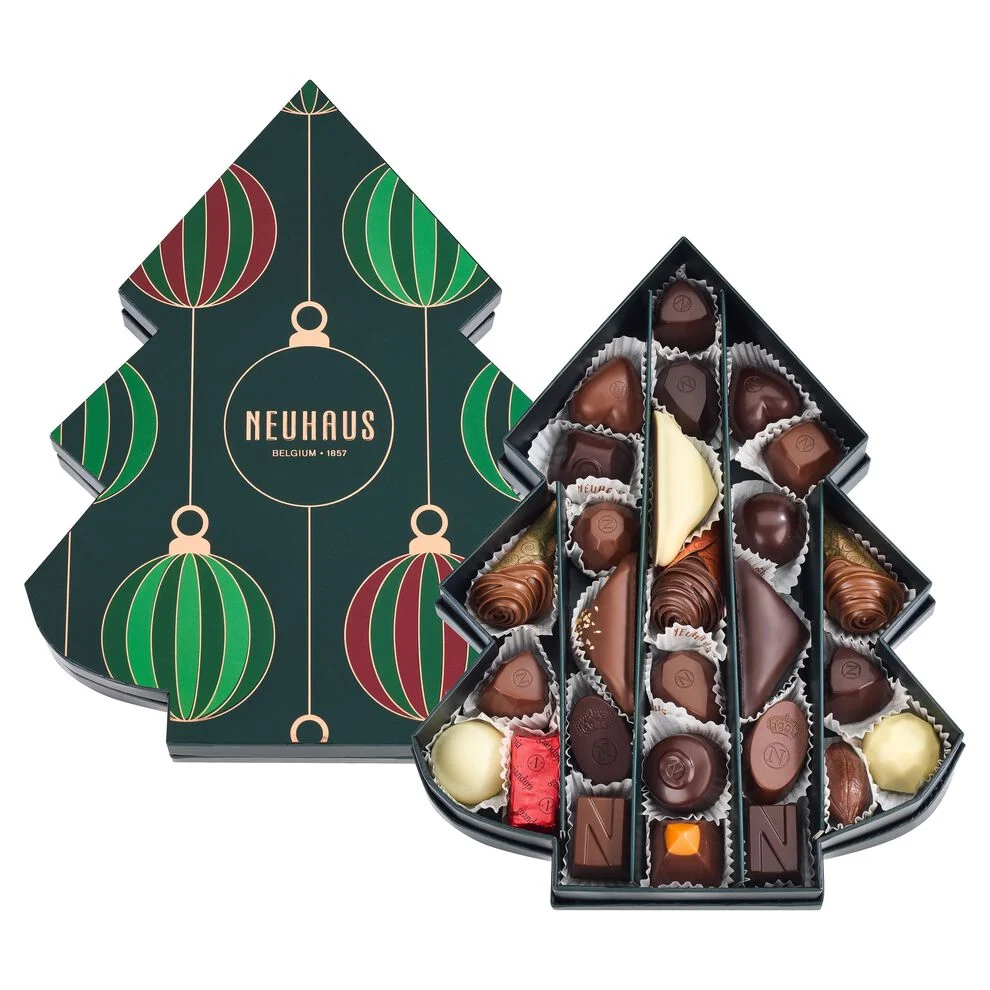
Food is a central part of Christmas traditions across Europe. Germany sells millions of stollen loaves every December. Austria serves fried carp on Christmas Eve. The Netherlands celebrates New Year with oliebollen. France is known for its bûche de Noël, which comes from the older tradition of burning a yule log. Switzerland leans into raclette, mulled wine and sausages at its markets. Belgium’s chocolate sales peak in December. The Czech Republic makes vánočka, a braided bread that symbolizes protection. And our personal favorite Italy has the panettone.




Strange and Unusual Traditions
Europe has its share of unusual holiday customs that have lasted for generations. Austria and parts of southern Germany celebrate Krampus Night on December 5. People dress in elaborate costumes and run through the streets as the half goat, half demon figure who punishes bad behavior. In Catalonia families keep a wooden log called Tió de Nadal. Children hit it with sticks until it “poops” out candy on Christmas Eve. These traditions sit next to the softer customs and show how much variety exists across the continent.
Know Before You Go
When to visit
Most Christmas markets open in late November and close by December 23 or 24.
How to get around
Train travel is the easiest way to explore Christmas destinations.
What to expect
Crowds build on weekends and in the evenings. Mornings are calmer and better for photos.
What to pack
Layers, waterproof shoes and gloves. Many markets are outdoors and nights get cold.
Planning More Winter Travel?
Explore more holiday destinations in Europe.
Germany Christmas Market Guide – city markets, regional food and seasonal highlights
France Christmas Market Guide – Strasbourg, Colmar and historic towns across Alsace
Austria Christmas Market Guide – Vienna’s markets, Alpine towns and winter streets